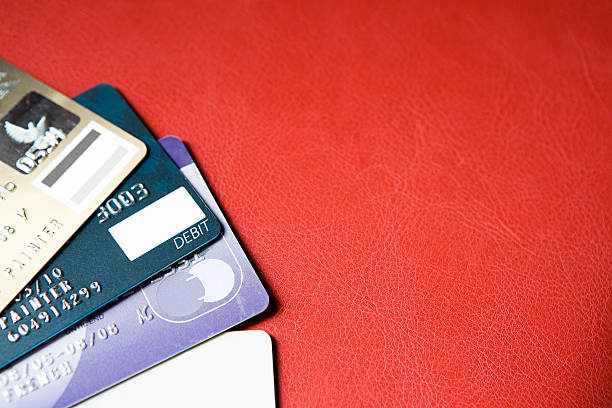
When a credit card hits its limit, the immediate concern is usually the high interest charges and the minimum payment that swallows a big chunk of your monthly income. But there is a deeper, often overlooked consequence: the slow erosion of your financial flexibility. Having a maxed-out card or cards close to their limit is like carrying a heavy weight in your wallet every single day. It does not just cost you money in fees and interest; it limits your ability to respond to life’s unexpected twists. For a middle-class consumer, that loss of flexibility can turn a minor setback into a major crisis.
Financial flexibility is your ability to adapt when the plan changes. It is the cushion that lets you handle a sudden car repair, a medical bill that your insurance does not fully cover, or a temporary drop in income without having to borrow at punishing rates. When your credit cards are maxed, most of that cushion disappears. You have already borrowed up to your available limit. There is no room to charge an emergency expense unless you first pay down the balance, which may take months. In the meantime, the only options are often payday loans, borrowing from family, or skipping other bills. Each of those choices carries its own set of consequences that further tighten the financial squeeze.
Consider a typical middle-class household with two cards, each carrying a $5,000 limit. If both are close to their limit—say $4,500 each—that household has essentially zero available credit. One unexpected $1,000 expense can force a scramble. The consumer might try to use a debit card, but the checking account may not have that much extra cash because the high minimum payments on the cards have already drained the monthly budget. So the choice becomes: put the expense on a card that is already over the limit (triggering fees and a penalty rate), use a high-interest store card, or take out a personal loan with an interest rate that can rival credit card rates. None of these preserve flexibility. Instead, they lock the consumer into a cycle of higher payments and even less room to maneuver.
The loss of flexibility does not only show up in emergencies. It also affects everyday financial decisions. For example, a middle-class consumer might have the chance to take a better job that requires moving to a new city. But a maxed-out credit card can ruin that opportunity. Landlords commonly run credit checks, and a high utilization ratio—the amount of credit you are using compared to your total available credit—signals risk. A landlord may demand a larger security deposit or deny the rental application outright. Even if you have a good job offer, you cannot relocate if you cannot secure housing. Similarly, a car loan or a mortgage becomes harder to get, and if you do qualify, the interest rate will be higher. That higher rate eats into your monthly cash flow, further reducing your financial freedom.
Another hidden effect is the psychological burden. Knowing that your credit is tapped out makes you more cautious, often in ways that hurt your long-term finances. You might skip necessary medical checkups because you do not want to add to the balance. You might delay replacing a worn-out appliance, only to have it fail at the worst possible moment. You might pass on a career development course that could lead to a raise because you cannot afford the upfront cost. Over time, these small choices compound. The reduced flexibility becomes a barrier to building wealth or even maintaining your current standard of living.
High credit utilization also triggers a cascade of negative actions on your credit report. Utilization accounts for a significant chunk of your credit score. When your cards are near the limit, your score drops. A lower score means higher insurance premiums, bigger security deposits for utilities, and even difficulty getting a cell phone plan without a deposit. Each of these small costs adds up, draining money that could have gone into savings or paying down debt. And as your score falls, the credit card issuers may reduce your available credit further, tightening the vise.
The solution is not about earning more money—it is about deliberately protecting your credit cushion. One practical step is to keep your credit utilization below 30 percent of your total available limit. That means if you have a $10,000 total credit line, try not to carry more than $3,000 in balances at any time. This leaves room for emergencies and also signals to lenders that you are not overextended. If your cards are already maxed, focus on paying down the balances as aggressively as possible, even if it means temporarily cutting other spending. An emergency fund of even $1,000 in cash can replace the need to rely on credit in a pinch, restoring some flexibility.
Ultimately, a maxed-out credit card is not just a debt problem. It is a flexibility problem. It narrows your options, raises your costs, and leaves you vulnerable to life’s curveballs. For the middle-class consumer, who often operates on thin margins, that loss of flexibility can be the difference between a manageable bump in the road and a financial derailment. Keeping credit in check is not about avoiding debt altogether. It is about making sure that when you need to move, adapt, or respond, you have the room to do it without breaking the bank.