Many middle-class consumers take pride in never missing a credit card payment. They set up automatic payments for the minimum due each month and assume this responsible behavior keeps them in good standing. And technically, it does. Your credit report will show no late marks, and your credit score will remain healthy. But there is a hidden trap in this strategy that generates financial stress in ways most people do not see coming.
The minimum payment is designed to benefit the credit card company, not you. When you pay only the minimum, you are covering mostly interest and fees, with only a tiny fraction going toward your actual balance. Consider a typical credit card with a $5,000 balance and an 18 percent interest rate. Your minimum payment might be around $100 per month. At that rate, it would take you more than seven years to pay off that debt, and you would end up paying over $3,000 in interest alone. That is more than half of what you originally charged. For a middle-class household already stretching every dollar, those extra thousands represent real sacrifices in other areas of life.
The financial stress from minimum payments is not just about the numbers on a statement. It creeps into your daily life in subtle ways. You start noticing that your credit card balance never seems to go down, even though you make a payment every month. This creates a feeling of being stuck on a treadmill. You are running, but you are not getting anywhere. Over time, this erodes your sense of financial control. You begin to feel like your debt is a permanent fixture in your life rather than a temporary situation you can fix.
This kind of stress has real consequences for your decision-making. When you are worried about ongoing debt, you are more likely to avoid looking at your statements altogether. You might ignore the problem and hope it goes away, which only makes things worse. You might also become anxious about spending any money at all, even on necessary items like groceries or car repairs. This anxiety can lead to poor financial choices, such as skipping important maintenance on your home or vehicle, which costs you more money in the long run.
The stress also affects your relationships. Money is one of the leading sources of tension between couples. When one partner is handling the credit card payments and sees the balance barely moving, it can lead to arguments about spending habits. You might start to resent your partner for purchases you both agreed on, or you might hide your financial anxiety to avoid conflict. This silence around money matters deepens the stress because you are carrying the burden alone.
There is also a psychological weight that comes with prolonged debt. Humans are wired to seek progress and completion. When a task remains unfinished, our brains keep it active in the background, constantly draining our mental energy. A credit card balance that never shrinks feels like an open loop in your life. Even if you are not actively thinking about it, your subconscious is processing the stress. This can show up as trouble sleeping, irritability, or a general sense of unease that you cannot quite explain.
The middle-class consumer is especially vulnerable to this trap because of the lifestyle expectations around them. You are supposed to have a decent home, a reliable car, and the ability to take a vacation now and then. Credit cards make these things available today, but the minimum payment structure makes them cost far more than they should. The stress comes from the gap between what you think you can afford and what you are actually paying over time.
Breaking free from the minimum payment cycle requires a shift in perspective. The first step is to stop thinking of the minimum as an acceptable payment. It is not. It is the slowest possible way to pay off your debt and the most expensive. If you can send even a small amount above the minimum, such as an extra twenty dollars per month, you will pay off your balance faster and save money on interest. That small change can make a real difference in how you feel about your finances.
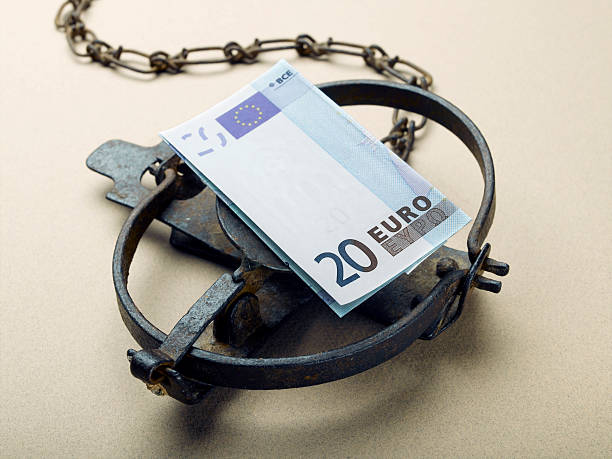
The financial stress caused by minimum payments is not a sign that you are bad with money. It is a sign that the system is designed to keep you in debt. Recognizing this is the first step toward taking back control. When you understand that the minimum payment is a trap, you can start making different choices. You can prioritize paying down your balance, even if it means cutting back on other expenses for a while. The relief that comes from seeing that balance decrease each month is worth the temporary sacrifice. It is a direct antidote to the financial stress that has been quietly building in your life.