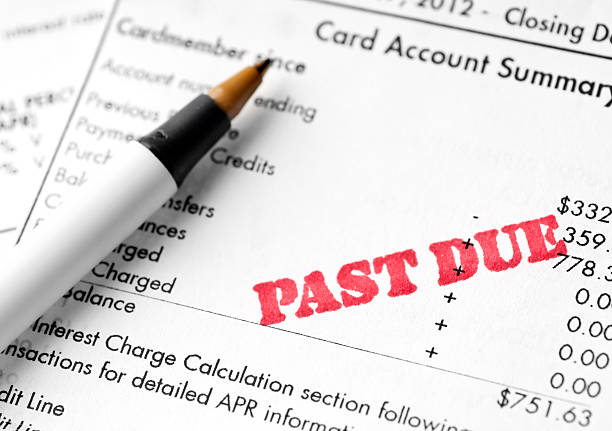
For many households, the monthly stack of bills can feel like a relentless tide. When finances are tight, it’s tempting to prioritize the mortgage or car payment, letting the utility bill slide for a month with the assumption that it’s a private matter between you and the provider. This common misconception can lead to a rude awakening. While a single late payment to your electricity, water, or gas company may not immediately hurt your credit, falling seriously behind can indeed lead to significant and lasting damage to your credit profile. The path from a past-due notice to a credit score drop is not automatic, but it is a well-trodden route that hinges on the actions of the utility company and the severity of your delinquency.
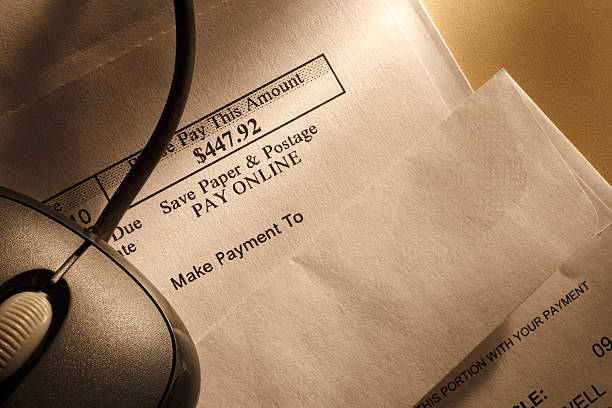
Initially, utility companies operate much like other service providers. They typically have internal grace periods and will charge late fees for missed payments. During this early stage, typically the first 30 to 60 days past due, your credit reports remain untouched. Your utility provider is primarily focused on collecting what is owed, often through reminder calls and notices. It is crucial to understand that these companies do not report your monthly payment history to the credit bureaus—Equifax, Experian, and TransUnion—in the way a credit card issuer does. Therefore, a history of consistently paying on time for years does not positively build your credit, but falling far behind can certainly tear it down.
The critical turning point occurs when the account becomes severely delinquent, usually after 60, 90, or 180 days, depending on the company’s policy and state regulations. If efforts to collect the debt fail, the utility company may close your account and send the unpaid balance to a third-party collection agency. This transfer is the event that triggers credit damage. Collection agencies routinely report debts to the credit bureaus. Once a collection account appears on your credit report, it is considered a major derogatory mark. It signals to future lenders that you have failed to repay a debt as agreed, which can severely impact your credit score. A single collection account can cause a drop of 50 to 100 points or more, depending on your starting score and the overall health of your credit file.
Furthermore, the consequences extend beyond the initial score drop. A utility collection account can remain on your credit report for seven years from the date of the first delinquency that led to the collection. During this time, it can affect your ability to secure new credit, obtain favorable interest rates on loans, and may even be considered by landlords during rental applications or by some employers during background checks. In some jurisdictions, utility companies may also place a lien on your property for unpaid bills, which becomes a public record and further harms your credit.
It is important to note a modern shift in credit reporting practices. Some credit scoring models, like FICO 9 and VantageScore 3.0 and 4.0, have begun to disregard paid collection accounts or to weight medical collections less heavily. However, this is not universal, and unpaid collections remain profoundly damaging across all scoring models. The best course of action is always prevention. If you are struggling to pay a utility bill, immediate communication with the provider is essential. Most utility companies offer hardship programs, payment plans, or energy assistance referrals that can help you avoid disconnection and prevent the account from ever reaching the collection stage. Proactivity can protect not only your essential services but also the financial reputation you will need to rebuild stability.