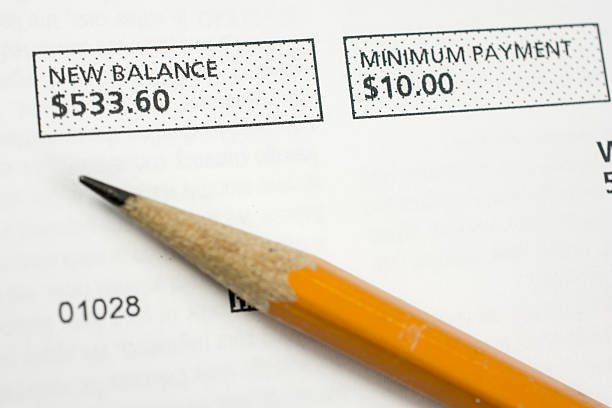
When you first take out student loans, the option to pause payments sounds like a safety net. Lenders offer deferment and forbearance as ways to temporarily stop making payments if you lose your job, go back to school, or face a financial hardship. On the surface, these programs seem helpful. But for many middle-class borrowers, they become a silent trap that turns manageable debt into an overwhelming burden. Understanding how deferment and forbearance actually work is critical to avoiding the kind of overextended debt that can haunt you for decades.
Deferment and forbearance both allow you to stop making monthly payments for a set period. The difference is subtle but important. With deferment, if you have a federal subsidized loan, the government may pay the interest that accrues during that time. With unsubsidized loans and all loans in forbearance, the interest continues to build. That interest does not vanish. It gets added to your principal balance in a process called capitalization. When your loan balance grows through capitalization, you end up paying interest on top of interest. What started as a modest pause can lead to a loan balance that is thousands of dollars higher than when you first borrowed.
Consider a typical scenario. A college graduate has thirty thousand dollars in federal student loans at a six percent interest rate. After graduation, they struggle to find a job in their field and decide to put their loans into forbearance for twelve months. During that year, interest accrues at about one hundred and fifty dollars per month. By the end of the year, an additional one thousand eight hundred dollars in interest has been added to the principal. That new balance of thirty one thousand eight hundred dollars will now accrue interest at a faster rate, and the borrower will need to pay off that extra amount over the life of the loan. If the same borrower uses forbearance multiple times, the effect compounds. Many middle-class consumers do not realize that a two-year forbearance period can easily add ten percent or more to their total debt.
The real danger comes when borrowers treat deferment and forbearance as a routine option rather than a last resort. Life happens. You might need to take a lower-paying job, go back to school for a certification, or handle a medical emergency. In those moments, pausing payments feels like the only choice. But lenders rarely explain the long-term cost. They simply offer the option as a checkbox on a website or a quick phone call. The borrower signs up without reading the fine print, and the interest clock keeps ticking. Years later, when they finally start making payments again, they are shocked to see that their balance has grown instead of shrunk.
Another common mistake is using forbearance while waiting for an income-driven repayment plan to be approved. Those plans cap payments based on your income and can be a smart way to manage debt. But the application process can take months. During that time, many borrowers choose forbearance rather than making reduced payments. That interest buildup can be significant, and it erases the benefits of the lower payment plan once it kicks in. The Department of Education has recently introduced a new repayment plan called SAVE that prevents interest from accruing on subsidized loans in certain situations, but older plans and most private loans still allow interest to pile up.
Private student loans are even more dangerous when it comes to deferment and forbearance. Private lenders often have stricter terms and higher interest rates. They may limit forbearance to just a few months total, and they almost always capitalize the interest. Some private loans do not offer forbearance at all. The worst part is that private loans generally lack the protections and forgiveness options that federal loans provide. If you fall behind, the lender can report you to credit bureaus, sue you, or garnish your wages. Using forbearance on a private loan is essentially a short-term fix that makes your long-term problem worse.
For middle-class consumers who are already stretched thin, the temptation to pause payments is powerful. But every time you use deferment or forbearance, you are betting that your financial situation will improve quickly. That bet often fails. The best strategy is to avoid using these options unless you have no other choice. Instead, consider an income-driven repayment plan for federal loans, which can lower your monthly payment to as little as zero dollars without accruing capitalized interest. If you have private loans, contact your lender to negotiate a temporary payment reduction rather than a full pause. Even a small payment that covers the interest can prevent your balance from ballooning.
The bottom line is simple. Deferment and forbearance are not free passes. They are expensive loans that you take out against your future self. Before you click that button or sign that form, calculate how much extra interest will accrue. Multiply your loan balance by your interest rate and divide by twelve to see your monthly interest cost. Then multiply by the number of months you plan to pause. That number is the price of your time off. If you cannot afford to pay that price, do not take the pause. Instead, find a way to make even a small payment. Your future finances will thank you.