A maxed-out credit card can look like a simple number on a statement, but it often becomes something much heavier. It becomes the reason you check your bank account before coffee, the reason you avoid answering unknown calls, and the reason you lie awake doing math in your head. For middle-class households already balancing rent or a mortgage, car payments, insurance, groceries, and kids’ expenses, a high credit card balance can turn ordinary months into a tightrope walk. The stress is not just about money. It is about safety, control, and the feeling that one surprise could knock everything down.
Financial stress from credit card debt tends to build slowly. Maybe you used a card for an emergency car repair. Then you used it again when hours were cut at work. Then groceries went on the card because cash was short. The balance grew, and the minimum payment grew with it. At first, the minimum payment feels manageable. Then it starts competing with other bills. You may begin to move money around, delay one payment to cover another, or use one card to pay another. Each decision brings a quick relief, but the underlying pressure remains. That is how debt becomes less of a financial problem and more of a daily emotional weight.
One of the clearest consequences is anxiety. When you do not know whether you can cover everything, your brain stays on alert. You may become irritable with your partner or short with your kids. Small requests for money can feel like accusations. Date nights or family outings may feel irresponsible, so you stop doing them. That isolation makes the stress worse. You might also feel shame, as if struggling with credit means you failed at adulthood. In reality, many middle-class people face rising costs, uneven income, medical bills, and unexpected repairs. Credit card debt is often a symptom of a system that leaves little room for error, not proof of personal failure.
The stress can also affect your health. People with ongoing money worries often sleep poorly, eat poorly, and skip exercise because they feel they cannot spare the time or money. Headaches, stomach problems, and tension can become normal. You may find it hard to focus at work, which increases the risk of mistakes or missed opportunities. If the stress goes on long enough, it can even make it harder to earn more or manage money well. Financial stress does not just sit in a spreadsheet. It lives in the body and the household.
There is also a credit consequence. When money is tight, it is tempting to pay only the minimum or pay late. Both can hurt your credit score. A lower score can lead to higher interest rates on future loans, higher insurance costs in some states, and fewer options when you need to borrow. That creates a painful loop. The debt causes stress, the stress makes it harder to keep up, and the missed payments make the debt more expensive. Breaking that loop requires clear steps, not shame.
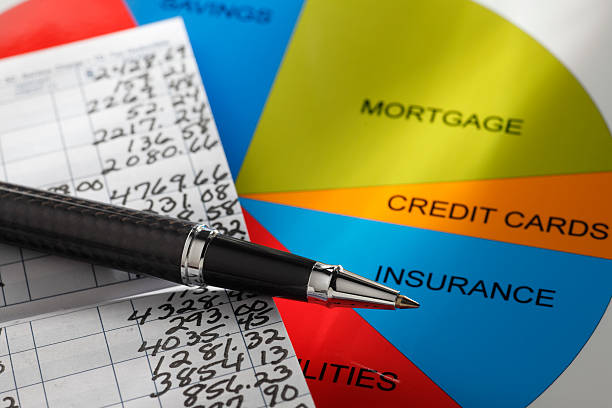
The first step is to face the real numbers. Write down every credit card balance, the interest rate, and the minimum payment. This can feel awful, but uncertainty is often worse than the truth. Next, build a simple monthly spending plan that covers housing, food, utilities, transportation, and minimum debt payments first. If the numbers do not work, contact your creditors before you miss a payment. Many will work with you on a payment date or a temporary hardship plan. A nonprofit credit counselor can also help you review options like a debt management plan, which may lower interest rates and combine payments. Be careful of companies that promise quick fixes for a fee.
At the same time, protect your basic well-being. Sleep, eat, and talk to someone you trust. Money stress thrives in silence. Tell your partner or a friend what is happening. You do not need to share every number to share the burden. Celebrate small wins, such as paying more than the minimum or canceling a subscription you do not use. The goal is not to become perfect with money. The goal is to regain a sense of control, one payment and one month at a time.