If you have ever looked at your credit card statement and wondered where the money went, you are not alone. The disconnect between what we think we spend and what we actually spend is one of the main reasons middle-class consumers fall into credit card debt. The Envelope System is a budgeting method that directly addresses this problem. It is a low-tech, cash-based strategy that forces you to see, feel, and respect your spending limits. While it may seem old-fashioned in a world of apps and digital payments, the Envelope System works because it removes the abstraction of numbers on a screen and replaces it with the physical reality of money leaving your wallet.
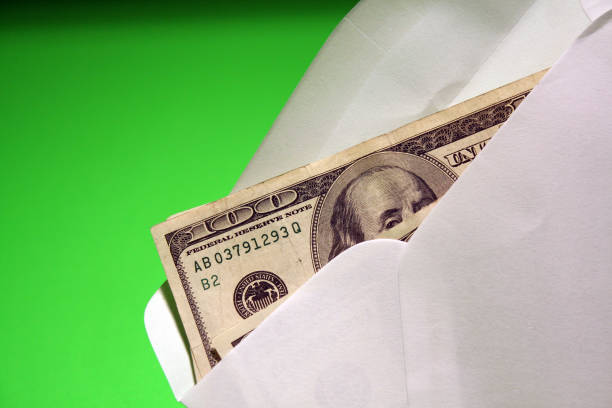
The core idea is simple. You decide on a few spending categories that cause the most trouble—groceries, dining out, entertainment, fuel, and perhaps clothing. At the beginning of each month, you withdraw from your bank account the amount of cash you have budgeted for each of those categories. You place that cash into separate envelopes, labeling each one clearly. Once an envelope is empty, you stop spending in that category until the next month. If you want to buy something in a category that has already run out, you must either wait or borrow from another envelope—but only after you have fully thought through the trade-off. This physical constraint makes overspending harder and more deliberate.
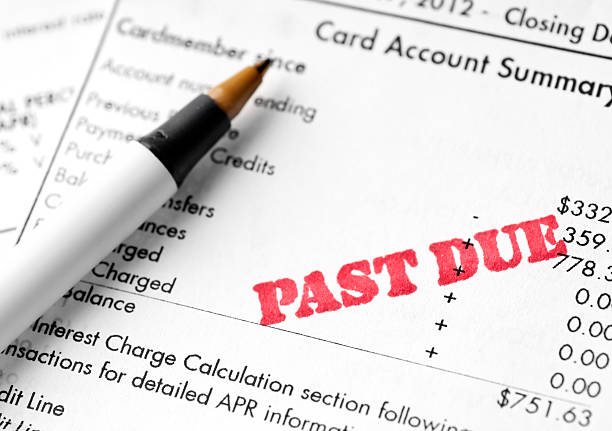
Why does this help manage credit? Because when you use credit cards, you are borrowing against a future income you have not yet earned. The psychological distance between swiping a card and paying the bill is large enough that many people spend more than they realize. With the Envelope System, you are only spending money you already have. You cannot exceed your budget without consciously deciding to break the rules. For middle-class consumers who have steady incomes but find themselves charging everyday expenses to credit cards, this method provides a training wheel for self-control. Over the course of a few months, you learn exactly how much you need for each category, and you gain a clearer picture of where your money truly goes.
A common concern is that carrying cash feels unsafe or inconvenient. In practice, the risk is minimal if you treat your envelopes with the same care you treat your wallet. Keep them in a secure place at home, and only take out the envelope you need when you are heading to the store. If you lose an envelope, the loss is limited to that month’s budget, not your entire savings. For categories like gasoline or online purchases, you can adapt the system: use a prepaid card loaded with the envelope amount, or simply write down your remaining cash balance on the envelope and use your debit card as long as you stick to the number. The goal is not to avoid digital payments entirely, but to recreate the feeling of having a limited pile of money that can shrink to zero.
The Envelope System also helps you spot your spending triggers faster. Suppose you notice that your “dining out” envelope runs dry by the 15th of every month. That is a clear signal that you are using restaurant meals too often. Instead of waiting for a credit card statement to reveal the same thing two weeks later, you realize the problem immediately. You can then decide whether that pattern is acceptable—if it is, you adjust your budget and allocate more money to that envelope next month. If it is not, you find cheaper ways to eat. This real-time feedback loop is invaluable for anyone trying to keep credit card balances low.
Another benefit is that the Envelope System can reduce impulse purchases. When you are standing at the checkout counter and you have to pull out cash and count it, you have a split second to reconsider whether you really need the item. That moment of hesitation often saves you from buying something you would later regret. Credit cards remove that hesitation entirely. By slowing down the transaction, the envelopes give your rational brain time to catch up with your impulse.
For middle-class consumers, the Envelope System does not have to cover every expense. Most people keep their fixed costs—rent, utilities, insurance—on automatic payments because those are predictable. The system works best for the variable, flexible, and often emotional spending categories that tend to creep up month after month. Start with two or three categories that cause the most credit card debt. After a few months, you may find you need fewer envelopes as your spending habits improve.
At its heart, the Envelope System is about taking back control. You are no longer reacting to your credit card bill at the end of the month. Instead, you are directing your money where you want it to go the moment you earn it. That shift in perspective is one of the most powerful prevention strategies for credit problems. It does not require fancy software or a financial degree. It just requires a stack of envelopes, a few hundred dollars in cash, and the willingness to look honestly at your own spending.