In the world of car buying, it is easy to get pulled into a financial decision that seems smart in the moment but turns into a major burden later. Auto loans that stretch out for six, seven, or even eight years have become more and more common. For the average middle-class consumer, these long-term loans look like a lifeline. They offer monthly payments that fit into the budget, allowing you to get a newer or more reliable car than you might otherwise afford. But there is a hidden cost to this approach that can leave you trapped in debt for years, often with a car that is worth far less than what you still owe.
The appeal of a long-term auto loan is simple math. If you finance a $35,000 car over 60 months at a given interest rate, your monthly payment is one figure. Stretch that same loan out to 84 months, and that monthly figure drops significantly. For someone who is already stretched thin by other expenses like a mortgage, student loans, or credit card bills, that lower payment can feel like the only way to make the purchase work. Car dealers know this, and many of them actively push longer loan terms as a way to make customers say yes to a more expensive car. The problem is that you are not just making the loan more manageable. You are committing to paying interest for two to three extra years, and you are drastically slowing down how fast you build equity in the vehicle.
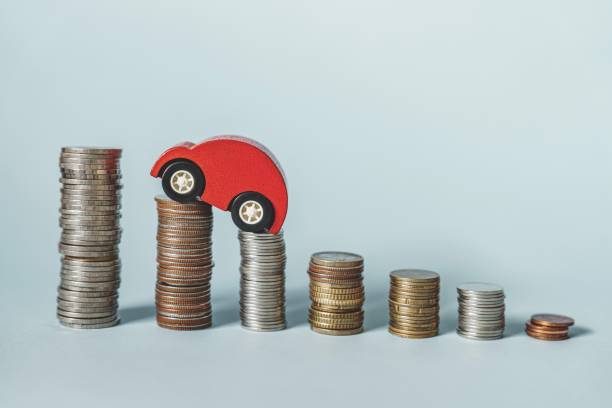
Equity is the difference between what your car is worth and what you owe on it. In a healthy car purchase, you want that number to be positive or at least close to zero. But with a long-term loan, depreciation does you no favors. A new car loses about twenty percent of its value the moment you drive it off the lot, and it keeps dropping every year after that. When you have a 72- or 84-month loan, you are paying down the principal very slowly in the first few years. Meanwhile, the market value of the car falls at a much faster rate. The result is that you end up underwater, meaning you owe more than the car is worth. This is called negative equity, and it is a classic trap of extended auto debt.
Being underwater on your car loan creates real problems. It makes it hard to sell the car or trade it in, because you would have to come up with cash to cover the difference between the sale price and what you still owe. If the car gets totaled in an accident, your insurance company pays you the current market value, which may be several thousand dollars less than your loan balance. That gap is your responsibility to pay off, even if you no longer have a car to drive. Many people in this situation are forced to roll that negative equity into a new car loan, making the new loan even larger and the cycle even worse. It is a debt spiral that can drag on for years.
There is also the matter of interest. Even with a relatively low interest rate, paying that rate over 72 months instead of 48 months means you pay thousands more in total interest. Over the full life of the loan, the car ends up costing you significantly more than its sticker price. For a middle-class household, that extra money could have gone into savings, retirement, or paying down higher-interest credit card debt. Instead, it goes to the lender for the privilege of borrowing money longer.
Another hidden risk is that your financial situation can change over the course of a six-year loan. You might lose your job, face a medical emergency, or have a major home repair pop up. With a long-term car loan, your monthly payment stays locked in, and the car itself is a depreciating asset. If you need to cut costs, you cannot easily reduce your car payment. You can sell, but if you are underwater, that option is painful. Your ability to manage the debt is tied to your income staying stable for a very long time.
So what should you do instead? The safest approach is to keep auto loans to no more than 48 months, and ideally 36 months if you can swing it. This might mean buying a less expensive car or putting more money down upfront. Used cars that are two or three years old offer a much better value because the steepest depreciation has already happened. If you cannot afford the monthly payment on a shorter-term loan, that is a sign the car is too expensive for your budget. Better to drive a reliable used car for a few years while you save up, than to lock yourself into six years of payments on a new car that will become a financial burden.
Long-term auto loans are a tool, but they are a dangerous one. They lower the monthly number in a way that feels helpful, but they increase your total cost, trap you in negative equity, and tie up your income for years. For the middle-class consumer trying to manage credit wisely, the best move is to resist the temptation of the stretched payment and buy a car you can actually afford to pay off in a reasonable time. Your future self will have more financial freedom and less debt stress.