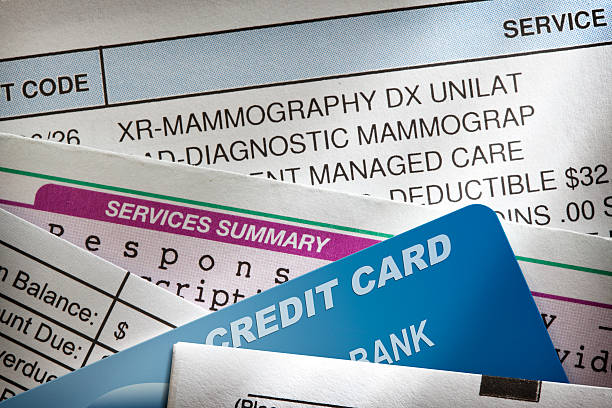

 You have seen the offer at the checkout counter. A clerk asks if you want to save ten percent on your purchase today. All you have to do is apply for a store credit card. Sometimes the offer is even better. Buy a new refrigerator or a set of tires and pay nothing for twelve months. No interest. No payments. It sounds like free money. For a middle-class household trying to manage cash flow, that promise can feel like a lifeline. But beneath the surface, these deals often rely on a mechanism called deferred interest. If you do not handle it perfectly, that zero percent offer can turn into a financial disaster that costs hundreds or even thousands of dollars.Deferred interest is different from the zero percent financing you might get on a standard bank card. With a typical zero percent credit card, interest is calculated on whatever balance remains after the promotional period ends. You might owe interest only on the leftover amount. With a deferred interest plan, the math is much more punishing. Here is how it works. You buy a sofa for two thousand dollars. The card promises no interest for twelve months. You make minimum payments or even pay the entire balance down to ten dollars. If that final ten dollars is not paid before the promotional period ends, the credit card company charges you retroactive interest on the entire original two thousand dollar purchase, at the card’s regular rate, which is often over twenty-five percent. That interest is calculated from the day you bought the sofa, not from the day you missed the deadline. Your ten dollar mistake just added several hundred dollars in interest charges to your bill.This trap is especially dangerous for middle-class consumers because it preys on two very normal behaviors. The first is optimism. You believe you will pay off the balance on time. Life is stable. You have a good job. But life happens. A car repair, a medical bill, or a temporary drop in income can shift your priorities. When the due date arrives, you might be a few days late or a few dollars short. The second behavior is confusion. Many people assume that a “no interest” offer works the same way as a regular credit card where interest only accrues on the unpaid balance. They do not read the fine print because the fine print is dense and intimidating. The credit card companies know this. They design these offers to look generous but include terms that most people will not fully understand until they get burned.Retailers love these cards because they increase sales. Customers buy more when they think they can pay over time without extra cost. But the real profit for the bank comes from the people who slip up. Studies have shown that a significant percentage of consumers who use deferred interest plans end up paying full retroactive interest. The banks count on this. It is not a side effect of the product. It is a central feature of the business model.So what can you do if you are offered one of these cards? The safest answer is to say no. If you need to buy something and cannot pay for it in full today, it is often better to use a regular low-interest credit card or a small personal loan from a credit union. Those options do not punish a single late payment with retroactive interest. But if you do decide to take the store card, you must treat it with extreme discipline. Set a calendar reminder for three months before the promotional period ends. Pay off the balance in full at that point. Do not wait until the last month. Do not leave a penny unpaid. If you cannot commit to that level of precision, do not sign up.Middle-class consumers are often the target of these offers because they have enough income to qualify for credit but not enough financial cushion to absorb a surprise. The bank knows you can afford the payments most of the time, and it is betting that you will make a mistake at least once. Do not take that bet. Understand the difference between deferred interest and true zero percent financing. Read the terms even if they are boring. And remember that if a deal sounds too good to be true, the fine print is where the real cost is hiding. Protecting your credit and your budget means knowing when to walk away from a sale that is not really a sale at all.
A debt consolidation loan can be framed as "saving $100 a month" (a gain) or "paying $5,000 in interest" (a loss). We are more risk-averse when a choice is framed in terms of losses. Lenders often use gain-framing to make consolidation appealing, downplaying the total long-term cost.
Focus on high-interest debts (avalanche method) or smallest balances first (snowball method) to save money or build momentum.
Always prioritize secured debts like mortgage and auto loans to avoid losing essential assets. Next, prioritize utilities and unsecured debts that offer hardship programs.
Debt creates a loss of freedom and flexibility. It can force you to stay in a job you dislike, prevent you from traveling, returning to school, or starting a business, and delay major life milestones like marriage, homeownership, or having children.
Credit scoring models, like FICO® and VantageScore®, consider the variety of your credit accounts. A diverse mix demonstrates to lenders that you have experience successfully managing different types of credit responsibilities, which can positively impact your score.