When you think about debt that can damage your financial future, you probably imagine credit card balances, car loans, or student loans. But one of the most dangerous and overlooked types of overextended debt comes from something as routine as your electric bill, water bill, or internet service. Utility and services debt might seem small compared to a mortgage or a medical bill, but it carries hidden costs that can snowball quickly and wreck your credit score faster than you might expect.
Many middle-class households treat utility bills as flexible expenses. You might think, “I’ll pay the electric bill next week when I have more cash,“ or “The water company won’t shut me off for one missed payment.“ That kind of thinking is dangerous because utility companies have unique powers that other creditors don’t. They can disconnect your service, charge steep reconnection fees, and in many states, report your nonpayment to the credit bureaus just like a bank would. Once that happens, a single unpaid $150 electric bill can become a black mark on your credit report that lasts for seven years.
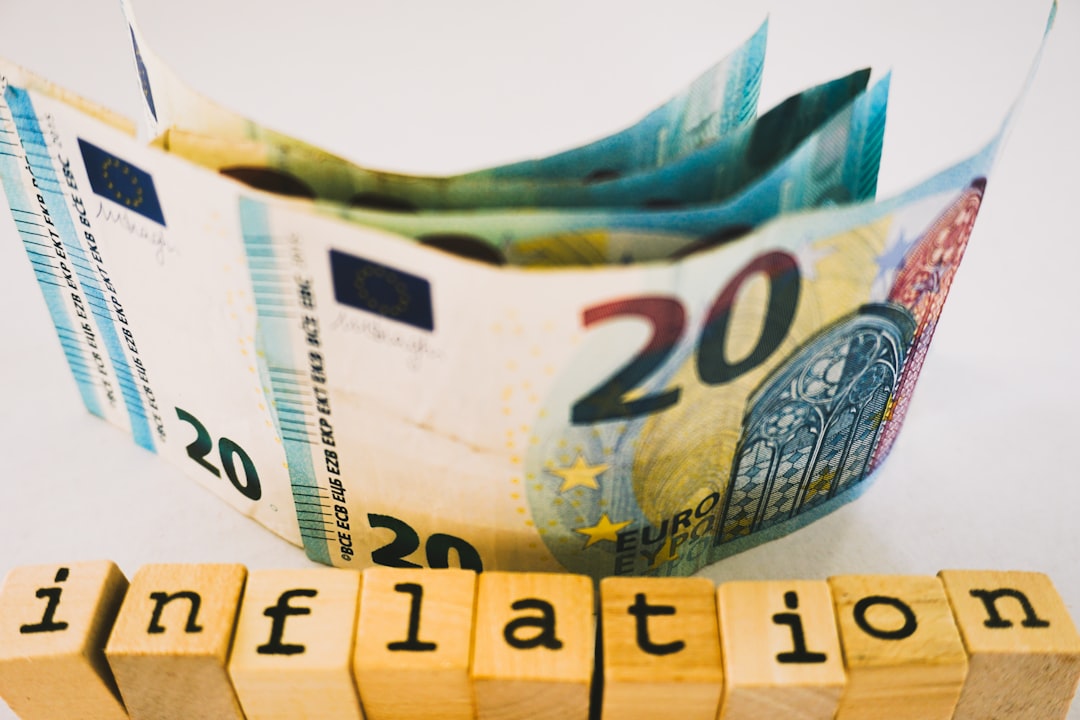
The first hidden cost is late fees. Most utility companies charge a late fee that is a percentage of your bill, often 5% to 10%. If your bill is $200, a 5% late fee is only $10. That doesn’t sound terrible. But if you keep rolling over that balance, month after month, you get trapped in a cycle. You pay the late fee but still have the original balance. Next month you get another late fee on top of the old one. Soon you owe $300 for what started as a $200 bill. This is how small debts become overwhelming.
The second hidden cost is disconnection. If you fall behind by two or three months, most utility companies have the legal right to shut off your service. This isn’t just an inconvenience. When your power gets cut, you often have to pay the entire past-due balance plus a reconnection fee, which can be $50 to $150 or more. If your gas is shut off in winter, some companies require you to pay a deposit equal to two months of average usage before they turn it back on. That can mean paying $500 or $600 upfront just to get heat again. For a middle-class family already stretched thin, that kind of lump sum can be impossible to scrape together.
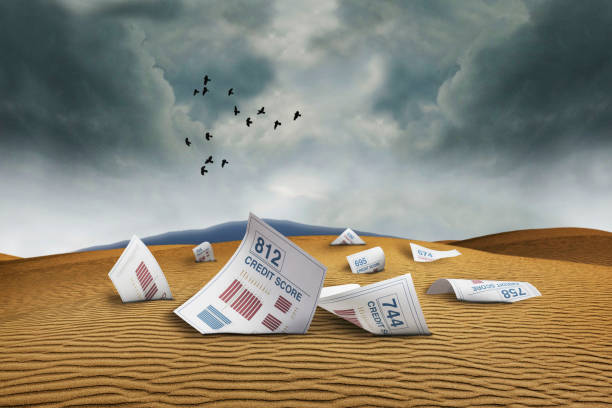
The third hidden cost is damage to your credit. Many people believe utility companies don’t report to credit bureaus. That used to be true, but it’s changing. Major utility companies, especially those in competitive markets, now report late payments to Equifax, Experian, and TransUnion. When they do, a 30-day late payment on your utility account can drop your credit score by 50 to 100 points, depending on your starting score. That can raise the interest rates on your credit cards, increase your car loan payments, and even make landlords reject your rental application. One overlooked electric bill can cost you thousands of dollars in higher interest over several years.
Beyond the direct financial damage, utility debt creates a domino effect on your other obligations. When your power gets shut off, you might need to use credit cards to pay for a hotel or eat out because you can’t cook at home. You might miss work because you can’t charge your phone or your laptop. That means lost income, which makes it harder to catch up. Some people resort to payday loans or title loans to get the cash for a reconnection, which creates an even more dangerous cycle of high-interest debt.
The best way to avoid utility debt is to treat these bills as non-negotiable priorities. They should rank right behind rent or mortgage in your monthly budgeting. If you know you’re going to be short, contact the utility company before the due date. Most have hardship programs, payment plans, or deferred payment arrangements that can keep your service on and prevent a credit report mark. They would rather get partial payment over time than write off your account and send you to collections. But you have to ask. They won’t offer these options automatically.
If you already have utility debt and it’s causing you anxiety, don’t ignore it. Even if you can’t pay the full amount, pay something. A partial payment shows you are trying and may prevent disconnection. If your service has already been cut off, call the company and ask about reinstatement options. Some will let you pay half now and half in 30 days. Once you get caught up, set up automatic payments or calendar reminders so you never miss another due date.
Utility debt might seem like a minor issue in the big picture of your finances, but it is one of the fastest ways to spiral from manageable to overextended. The cost of ignoring it far outweighs the discomfort of facing it head-on. Protect your credit and your peace of mind by taking these bills seriously.