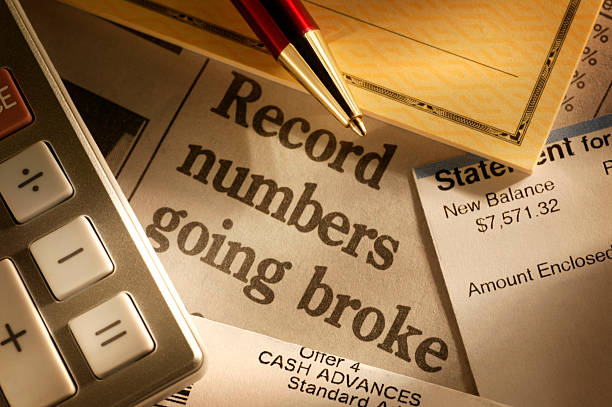
Debt is often discussed in the cold, hard language of finance—interest rates, principal balances, and monthly payments. Yet, for the millions of individuals living with it, debt is far more than a numerical figure on a statement; it is a pervasive psychological burden that infiltrates every corner of life, exacting a heavy and multifaceted emotional toll. The experience of being in debt, particularly unmanageable debt, is less about dollars and cents and more about a relentless undercurrent of stress, shame, and a diminished sense of self.
At its core, the emotional impact of debt is rooted in chronic stress and anxiety. This is not the fleeting worry about an unexpected bill, but a persistent, low-grade dread that becomes a constant companion. The mind becomes a calculator, perpetually tallying obligations against income, leading to sleepless nights spent ruminating on a seemingly inescapable cycle. This sustained state of hyper-vigilance triggers the body’s stress response, which, over time, can manifest in physical symptoms such as headaches, digestive issues, and a weakened immune system. The anxiety is cyclical: debt causes stress, which impairs decision-making and productivity, potentially leading to worse financial outcomes and even more stress. The future, rather than being a landscape of possibility, becomes a source of fear, with milestones like home ownership, starting a family, or retirement feeling perpetually out of reach.
Intertwined with this anxiety is a profound sense of shame and stigma. In societies that often equate financial success with personal worth and responsibility, debt can feel like a very public moral failing. Individuals internalize this stigma, believing their debt is a reflection of poor character, laziness, or a lack of intelligence. This shame fosters isolation, compelling people to withdraw from social interactions to avoid questions about their lives or the embarrassment of being unable to participate in activities that cost money. They may hide their situation from partners, family, and friends, further compounding their loneliness with secrecy. The shame is corrosive, eating away at self-esteem and creating a narrative of personal failure that can be difficult to disrupt, even as they work diligently to address the balance.
This erosion of self-worth directly impacts one’s sense of autonomy and freedom. Debt can feel like a modern form of indentured servitude, where a significant portion of one’s labor is pre-claimed by past obligations. The feeling of being trapped is palpable, limiting life choices and creating a power dynamic where creditors hold significant sway over one’s present and future. Simple joys become fraught with guilt; a modest purchase or a night out can trigger intense self-recrimination, turning everyday life into a minefield of difficult choices. This loss of agency—the fundamental human need to direct one’s own life—can lead to feelings of helplessness and depression. The dream of building a life is replaced by the grinding reality of servicing a past.
Ultimately, the emotional toll of debt is a holistic burden that transcends the financial. It is a thief of peace, stealing quiet moments with worry. It is a barrier to connection, fostering shame where community should be. It is a cage for potential, limiting dreams and stifling the freedom to choose one’s path. Recognizing this toll is crucial, not only for those who carry the weight but for a society that often misunderstands its true cost. The journey out of debt is therefore not just a financial recalculation, but an emotional and psychological rehabilitation—a process of reclaiming not just one’s balance sheet, but one’s peace of mind, self-respect, and the hopeful anticipation of a future unburdened.