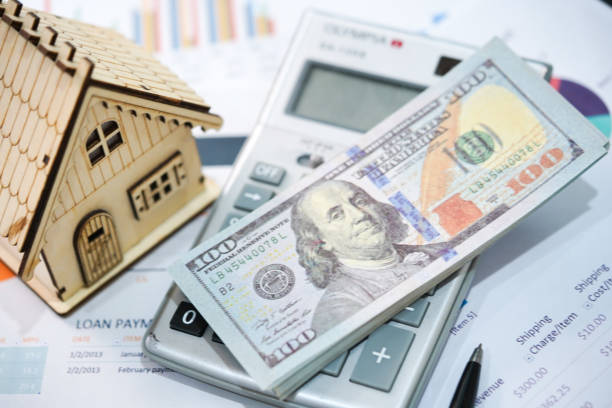

Conspicuous consumption is the habit of buying things mainly to show that you can afford them. It can look harmless at first: a nicer car, a bigger apartment, a designer bag, a new phone every year, or a vacation that seems to prove you are doing well. For middle-class consumers, these choices often get folded into everyday credit use. The purchase is made with a card, a payment plan, or a loan, and the real cost is pushed into future months. When the behavior goes unchecked, the consequences do not stay on the credit card statement. They show up in your credit score, your savings, your relationships, and your peace of mind.
The first lasting consequence is debt that becomes normal. A single splurge can be paid off, but repeated splurges train you to treat borrowed money as income. You may start with one manageable balance. Then a second card covers the first. Then a store card covers the gap. Then a car payment, a furniture payment, and a phone payment are added. None of these decisions looks huge by itself. Together, they create a monthly obligation that eats into the money you need for rent, food, insurance, and savings. The problem is not just the amount you owe. It is the habit of solving a spending problem with more borrowing.
High interest turns that habit into a long-term cost. Credit card balances can carry interest rates that are much higher than a savings account earns. When you pay only the minimum, most of your payment may go toward interest rather than the balance. A purchase that felt like a small reward can take months or years to pay off. The longer it takes, the more you pay for something that has already lost its shine. This is one reason unchecked spending is so expensive. You are not only paying for the item. You are paying for the time it takes to become debt-free.
Credit scores absorb the damage quietly. Payment history and amounts owed are major parts of a credit score. When balances stay high compared with your credit limits, your score can drop even if you are making payments. A lower score can raise the cost of car insurance, make it harder to rent an apartment, and lead to higher interest on future loans. It can also reduce your options when you need credit most, such as during a job loss or a medical emergency. The effects often appear long after the original purchase. By then, the bag, phone, or car may be old, but the credit record still reflects the choices that came with it.
Savings and retirement pay a price too. Money spent on image is money not available for emergencies, a home down payment, education, or retirement. The loss is easy to ignore when the purchase brings immediate praise or a quick mood boost. Over time, small leaks can become a large gap. A person may reach their forties or fifties with little saved because each raise was matched by a nicer lifestyle. The result is less freedom. You may feel trapped in a job you dislike because you need the income to cover payments. You may delay important goals because the monthly bills leave no room. Unchecked behavior does not just cost money. It costs choices.
Relationships and mental health can suffer as well. Money tension is a common source of conflict between partners. One person may feel judged. The other may feel kept in the dark. Social events can create pressure to spend at the level of friends or coworkers, and saying no can feel awkward. To keep up, people sometimes hide purchases, avoid conversations, or use credit to smooth over the gap. That secrecy adds stress. The worry follows you into work, sleep, and family life. Shame can make the problem worse because it discourages people from asking for help or making a plan.
The fix is not to reject every nice thing. Make spending intentional. Before a credit purchase, ask whether you are buying the item or a feeling. Check the payoff time, not just the monthly payment. Build an emergency fund so a surprise does not become debt. Track income already committed to past purchases. These steps protect your future. Unchecked conspicuous consumption can leave marks for years, but checked behavior leaves room for calm.