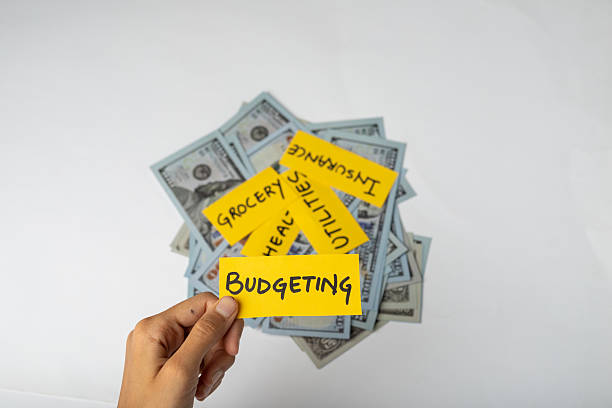
When most people hear the word “budget,” they picture a spreadsheet full of numbers, categories, and strict limits. That image can feel overwhelming, especially if you have never stuck to a written plan before. But budgeting does not have to start with a complex system. One of the most effective ways to build control over your spending is surprisingly simple: designate certain days when you spend zero dollars. These are called no-spend days, and running a short challenge with them can transform the way you handle your money without requiring any fancy tools or advanced math.
A no-spend day is exactly what it sounds like: a full twenty-four hours where you do not buy anything. No coffee runs, no takeout, no online shopping, no gas station snacks, no movie tickets, and no impulse purchases at the grocery store. You still pay your fixed bills, but those are set up ahead of time. The rule is that nothing new leaves your wallet or your bank account. The idea sounds extreme at first, but it is actually one of the gentlest ways to learn where your money goes.
Most middle-class consumers have a handful of small daily expenses that add up to a surprising amount by the end of the month. That four-dollar latte on the way to work, the five-dollar lunch because you forgot to pack one, the ten-dollar app subscription you never use – these are often called “latte factors.” They feel insignificant in the moment, but over thirty days they can easily total two or three hundred dollars. A no-spend day challenge forces you to notice these leaks because on that day you cannot plug them. You have to make coffee at home, eat leftovers, and ignore the tempting promo email in your inbox. The first time you try it, you will be amazed at how many times a day you would normally reach for your card or phone to buy something.
Running a no-spend day challenge for a week can be a powerful first step in building a personal budget. Instead of starting with a complicated plan, you start with awareness. You see exactly which spending habits are automatic and which ones you can break. After a few no-spend days, you will likely realize that many of your daily purchases were not necessary. You did not need that snack. You did not need that app upgrade. You survived perfectly fine without them. That realization is gold because it helps you cut waste without feeling deprived. You are not saying you can never have those things again. You are simply learning when you can skip them without pain.
The structure of the challenge is flexible. Some people try a single no-spend day each week, such as every Monday. Others do a full week once a month. A popular method is the “no-spend January” where people commit to thirty days of only essential expenses. For someone new to budgeting, starting with three days in a row is enough to feel the impact without becoming miserable. The key is to plan ahead. On the morning of a no-spend day, check that you have enough food in the fridge, fuel in the car, and activities at home to keep you occupied. The moment a no-spend day fails is usually the moment you realize you need something but have no alternative. A little advance prep eliminates that trap.
Beyond saving money directly, no-spend days train a mental muscle that is essential for long-term financial health: delayed gratification. In a world of one-click ordering and same-day delivery, the ability to pause and say “I will buy that tomorrow” is a superpower. On a no-spend day, you practice saying no to yourself. You might see a great deal online, but you remind yourself that the day is about not spending. You bookmark the item and plan to purchase it the next day. More often than not, when the next day arrives, you realize you do not really want it that badly. That simple delay saves you from hundreds of regretful impulse buys every year.
Another benefit of no-spend challenges is that they reveal emotional spending patterns. Many people spend money to relieve boredom, stress, or sadness. When you remove the option to spend, you have to sit with those feelings. You might notice that you reach for your phone to shop when you are procrastinating on a work task. Or that you buy a treat after a hard conversation. Observing those triggers without judgment is the first step to replacing emotional spending with healthier habits, like going for a walk or calling a friend. Over time, you become less dependent on money to manage your mood.
Finally, a no-spend day challenge can be a game with friends or family. Making it social increases accountability. You can challenge your partner or a coworker to see who can go the longest without spending. The shared experience makes it fun and turns a serious financial exercise into something light. The money you save during the challenge can be put toward a specific goal, such as paying down a credit card balance or building an emergency fund. When you see the actual dollars pile up from just a few no-spend days, the motivation to continue grows.
Remember, the goal of personal budgeting is not to punish yourself or live like a miser. It is to align your spending with what truly matters to you. No-spend days give you a clear, low-stakes way to practice that alignment. They help you separate wants from needs, build discipline, and free up money for the things you actually care about. Give it a try for one week. The worst that can happen is you save a little cash and learn a little about yourself. The best that can happen is you discover a whole new way of managing your money with confidence.