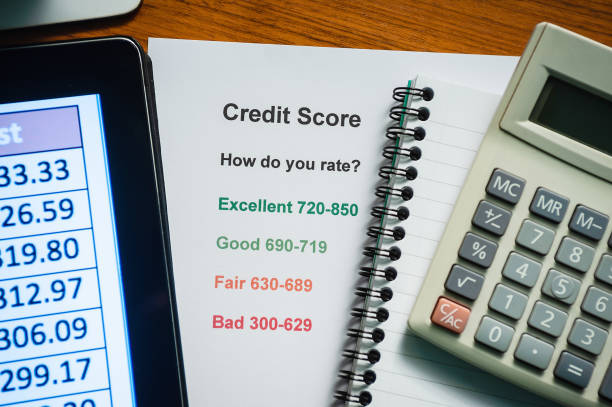
When you carry a balance on a credit card, you are using revolving credit. Unlike a car loan or a student loan, revolving credit has no fixed end date. You can keep borrowing up to your limit as you pay down what you owe. That flexibility is useful, but it also makes this type of debt dangerous. Many middle-class consumers fall into overextended debt without realizing it because revolving credit feels open-ended. The real trouble starts when you only pay the minimum amount due each month.
The minimum payment is usually a small percentage of your balance, often around one to two percent, plus interest. That sounds manageable. But because interest on revolving credit is high, most of your minimum payment goes to interest, not to the actual balance. For example, if you owe five thousand dollars at an eighteen percent annual rate, your minimum might be one hundred dollars. Of that, roughly seventy-five dollars goes to interest. Only twenty-five dollars reduces what you owe. At that pace, it takes decades to pay off the balance, and you end up spending many times the original amount. This is the minimum payment trap. It feels like you are making progress because you send money every month. But the balance barely moves, and the interest keeps piling up like a snowball rolling downhill.
Revolving credit also encourages overextension because you can always borrow more. As you pay down a few hundred dollars, that amount becomes available to use again. So you buy groceries with the card, then pay the minimum, then buy gas, then pay the minimum again. The balance never really shrinks because new charges keep filling the space. Many middle-class consumers use credit cards for everyday expenses and occasional emergencies. Without a clear budget, they treat the card as a flexible spending account. That mindset is a direct path to overextended debt. The card is not a loan with a finish line. It is a revolving door that keeps letting you in and out, but the exit is always farther away than it looks.
Another dangerous feature of revolving credit is how quietly the debt grows. With a fixed loan, you know exactly when you will be done. With a credit card, there is no end date unless you set one yourself. This lack of structure makes it easy to ignore the real size of the problem. You see a balance of three thousand dollars and think that is manageable. But if you keep using the card, the balance can become six thousand, then nine thousand, before you notice. The minimum payment also rises with the balance, so you start paying more each month without actually tackling the principal. Soon you are spending a large chunk of your paycheck just to keep the credit card companies happy, while the core debt barely changes.
There are clear signs that you have crossed into overextended debt with revolving credit. You only pay the minimum because that is all you can afford. You watch your balance grow even though you are not buying anything big. You use one card to pay off another, or you take a cash advance to cover a bill. You check your available credit more often than you check your bank account balance. If any of these sound familiar, you are not alone. Many middle-class consumers face the same problem. The key is to recognize it early and stop the cycle before it controls your life.
The first step is to stop using the card for new purchases. That sounds simple, but it requires a real change in how you think about money. If you need to buy something, use cash or a debit card. If you do not have the cash, that is a signal that you cannot afford it right now. Once you stop adding to the balance, you can focus on paying it down. Try to pay more than the minimum, even if it is only twenty or thirty dollars extra. That extra amount goes directly to the principal, which means it shortens the time to pay off the debt and reduces the total interest you pay. You might also look at the interest rate on your card. Many people have no idea what rate they are paying. Find out. If it is above twenty percent, consider a balance transfer to a card with a lower rate, but be careful about transfer fees and the temptation to use the old card again.
You can also try a simple payoff strategy. List all your revolving accounts, from credit cards to store cards to lines of credit. Put them in order from the highest interest rate to the lowest. Pay the minimum on every account except the one with the highest rate. Throw as much extra money as you can at that one. Once it is paid off, move to the next highest rate. This method saves you money on interest and gives you a clear path forward. The goal is to turn your revolving credit into something that looks like a fixed loan. You set your own end date and then work toward it every month.
Overextended debt from revolving credit does not mean you are irresponsible. It means you got caught in a system that is designed to keep you borrowing. The credit card company profits when you carry a balance and pay interest. So the minimum payment is not there to help you. It is there to keep you in the loop. Once you understand that, you can take control. You can choose to be smarter than the trap. You can set a monthly payment that actually reduces your debt, not just the interest. You can stop using credit for things that should be paid for with income. And you can begin to see the light at the end of the tunnel, not a revolving door that never closes.
The most important thing is to start today. Look at your latest statement. Write down the balance, the interest rate, and the minimum payment. Then decide how much you can realistically pay each month beyond that minimum. Even an extra fifty dollars makes a difference. Over a year, that is six hundred dollars of principal gone. Over two years, more than a thousand. Revolving credit can be a useful tool when used correctly, but when it becomes overextended debt, it is a heavy burden. Break the cycle by making a plan, sticking to it, and remembering that the minimum payment is never enough.