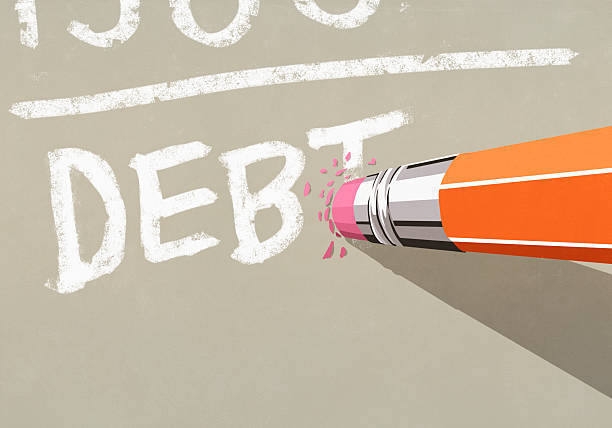
While economic factors like stagnant wages and rising costs of living provide the backdrop, the primary driver of overextended personal debt is not purely financial; it is a complex interplay of psychological impulses and social pressures that override rational budgeting. Individuals do not simply slide into unmanageable debt because they lack a spreadsheet. Instead, they are propelled by deep-seated emotional needs, normalized consumerism, and cognitive biases that make future consequences feel distant and abstract. The engine of overextension is fundamentally human, fueled by the desire for instant gratification, identity projection, and social belonging, all amplified by a financial ecosystem designed to exploit these very tendencies.
At the heart of the issue lies the powerful human preference for immediate reward over long-term stability, a tendency well-documented in behavioral economics. The pain of paying is deferred when using credit, divorcing the pleasure of acquisition from the financial consequence. This “buy now, pay later” mentality is actively encouraged by a culture that frames consumption as a pathway to happiness and success. Advertising and social media do not merely sell products; they sell idealized versions of life, suggesting that happiness, status, and even self-worth are attainable through purchase. When individuals internalize these messages, spending becomes a tool for emotional regulation—a way to combat boredom, alleviate stress, or celebrate—making debt an accidental byproduct of seeking psychological comfort. This emotional spending creates a cycle where debt itself becomes a source of stress, potentially triggering further compensatory spending.
Simultaneously, social comparison acts as a relentless accelerant. In an age of curated digital lives, keeping up with the perceived lifestyles of peers, influencers, and societal benchmarks can feel imperative. This “keeping up with the Joneses” effect, now operating at a global and algorithmic scale, pushes individuals to finance lifestyles their incomes cannot support. Purchasing a certain car, taking a coveted vacation, or living in a particular neighborhood becomes tied to social identity and self-esteem. Debt, therefore, is often not for necessities but for social signaling. The normalization of carrying balances on credit cards or taking out auto and personal loans for wants rather than needs further erodes the social stigma that might otherwise act as a brake on financial overextension.
Furthermore, cognitive biases systematically impair our judgment about debt. Optimism bias leads people to believe they will earn more or pay off balances faster than is realistic. The anchoring effect, influenced by minimum payment amounts on statements, makes a large debt seem manageable through tiny, costly increments. Perhaps most critically, the financial system itself is engineered to capitalize on these vulnerabilities. Easy access to high-interest credit, pre-approved offers, and opaque terms create an environment where saying “yes” is effortless, while the full ramifications are obscured. This structural enablement turns psychological and social drivers into tangible financial crises.
Ultimately, while economic hardship can certainly trigger debt, it is the psychological and social landscape that determines why so many individuals consistently spend beyond their means even when income rises. The drive to fulfill emotional voids, to project a successful identity, and to achieve social parity, all while navigating a minefield of cognitive shortcuts and predatory financial products, creates a perfect storm. Addressing overextended personal debt, therefore, requires more than financial literacy education; it demands a deeper cultural reckoning with the values that equate spending with fulfillment and a clearer understanding of the mental shortcuts that lead us astray. The road to debt is paved not with necessity, but with the very human yearning for connection, comfort, and recognition in a world that is all too willing to sell those feelings on credit.