Your credit report is like a financial health record that follows you everywhere. Lenders, landlords, and even some employers look at it to decide if you are trustworthy. But most people only check their credit report when they are applying for a loan or a credit card. That is a mistake. By the time you actually need your credit to be clean, it might already have problems that could have been caught months earlier. The key is to monitor your credit report on a regular basis, not just when you are forced to. And the most important reason for that is not to see your score, but to spot the silent warning signs that something is wrong before it costs you money or your good name.
One of the biggest threats to your financial life is identity theft. Thieves do not always take your credit card and go on a shopping spree. Often, they use your personal information to open new accounts in your name. That could be a new credit card, a personal loan, or even a utility bill. You might not know anything about it until a collection agency calls you. But if you are monitoring your credit report, you will see an account that you never opened. It might be a small account, like a store card for a few hundred dollars. Many people ignore that because they think it is a mistake. But that is exactly how identity theft starts. A thief tests the waters with a small account before moving on to bigger things. Seeing that unfamiliar account is a red flag. You need to act immediately by contacting the credit bureau and the company that opened the account. The longer you wait, the harder it is to prove that you did not authorize it.
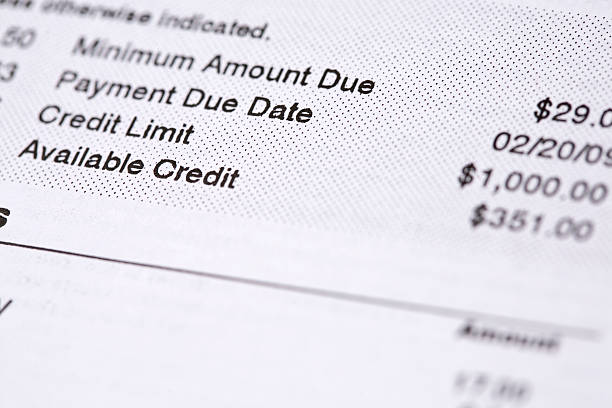
Another warning sign is a sudden drop in your credit score that you cannot explain. Your credit score is calculated based on information in your credit report. If you have been paying your bills on time and not using too much of your available credit, your score should stay stable or slowly go up. If it falls for no reason, that means something changed in your report. It could be a late payment that was reported by mistake, or it could be a new account that you do not recognize. Sometimes, it is a simple data entry error. A lender might have mixed you up with someone else who has a similar name or Social Security number. That is more common than you think. When you check your credit report and see a late payment on an account that is not yours, that is a clear sign of either identity theft or a reporting error. Both are fixable, but only if you catch them early.
You should also watch for inquiries from lenders that you did not request. Every time you apply for credit, the lender pulls your report, and that shows up as a “hard inquiry.“ A few inquiries are normal when you are shopping for a car or a mortgage. But if you see an inquiry from a bank or a finance company that you have never contacted, someone else might be using your information to apply for credit. Even worse, some scammers do not just steal your identity for immediate gain. They sell your information to other criminals. So a random inquiry could be the first sign that your data is on the dark web. Monitoring your report lets you see these inquiries as they happen. You can dispute them and place a fraud alert on your file, which makes it much harder for anyone else to open accounts in your name.
Many people also forget that their credit report contains personal information like your address, your employer, and your date of birth. If you see an address that you have never lived at, or a job that you have never had, that is a silent warning that someone has been updating your file with their own information. That is often done to make the theft more believable. The thief wants their new accounts to appear legitimate, so they add their own details to your report. This kind of change is easy to miss if you only glance at the account section. But a careful read of your personal information section can reveal that something is off. And once you spot it, you can contact the credit bureau to remove the false data.
Regular credit monitoring does not have to be complicated or expensive. You are entitled to a free copy of your credit report from each of the three major bureaus, Equifax, Experian, and TransUnion, once every twelve months. Many experts recommend staggering these requests, so you get one report every four months. That way, you are checking for problems throughout the year without paying anything. You can also sign up for free credit monitoring services that alert you when something changes on your report. The point is not to obsess over your score. The point is to stay aware. A few minutes every few months is a small price to pay to avoid the headache of cleaning up a stolen identity or a mistaken negative mark. Your credit report is not a mystery that only bankers can understand. It is a straightforward record of your financial behavior. And when you look at it regularly, you become the first line of defense against the people who want to misuse it. Do not wait for a denial letter to tell you that something is wrong. Look at your report now, and keep looking. That simple habit can save you years of frustration.