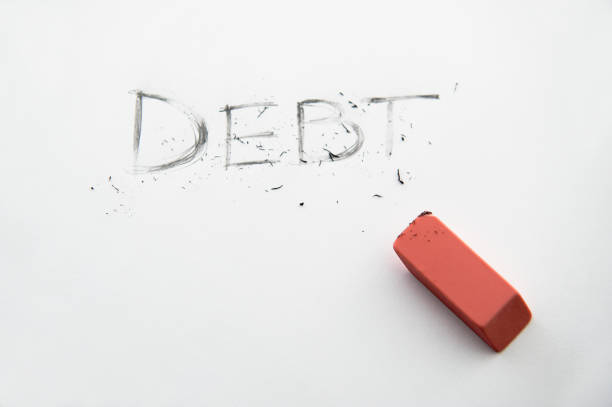
For anyone burdened by debt, the sheer weight of numbers—interest rates, minimum payments, total balances—can feel overwhelming. Financial advice often focuses on tactical steps: budgeting more strictly, consolidating loans, or employing a specific repayment strategy. While these tools are undeniably useful, they address the symptoms without curing the underlying condition. The single most important takeaway for someone with debt is not a financial hack, but a fundamental psychological shift: you must transition from seeing debt as a monthly inconvenience to understanding it as an active, urgent threat to your future freedom and choices. This change in perspective is the non-negotiable foundation upon which all successful debt repayment is built.
Debt, particularly high-interest consumer debt, is not a neutral tool when it is out of control; it is a corrosive force. Each month that a balance remains, it silently consumes resources that could be building your future. The interest paid on a credit card is money that vanishes, offering no return, unlike money invested in education, a home, or even a simple savings account. When viewed through this lens, debt repayment ceases to be a discretionary line item on a budget and becomes the critical priority of reclaiming stolen capital. This urgency fosters the discipline needed to make difficult but necessary changes, transforming repayment from a passive chore into an active campaign for financial liberation.
This essential mindset also dismantles the dangerous illusion that minimum payments are a solution. Creditors design minimum payments to extend the life of the debt for as long as possible, maximizing the interest they collect. Someone who internalizes the true cost of debt recognizes the minimum payment for what it is: a trap. It is a recipe for paying often two or three times the original amount borrowed over a span of decades. With this understanding, the goal radically shifts from “meeting my monthly obligations” to “eliminating this liability as fast as humanly possible.“ This might mean allocating every spare dollar—from tax refunds, side income, or budget cuts—directly to the principal balance, a behavior that only makes sense when debt is perceived as an emergency.
Furthermore, this pivotal takeaway naturally leads to addressing the root cause, not just the balances. Accumulating significant debt often stems from a disconnect between spending and personal values, a lack of emergency savings, or using credit to maintain a lifestyle that income cannot support. By acknowledging debt as a threat, you are forced to confront these behaviors honestly. It encourages a deep audit of spending, not as an exercise in deprivation, but as a realignment of resources toward the paramount goal of security. Every spending decision becomes filtered through a new question: “Does this purchase justify delaying my freedom from this financial threat?“ This conscious awareness is what prevents backsliding once debts are paid.
Ultimately, carrying significant debt means trading your future labor for past consumption. The hours you will work tomorrow are already owed to yesterday. Embracing the concept of debt as an active threat reclaims your agency. It transforms the journey from one of shame and stress to one of purposeful, empowered action. The budgets, the repayment plans, and the frugal months are no longer punishments; they are the tangible steps of a strategic escape plan. This mindset is the engine that powers the practical tools. Without it, tactics are fleeting and willpower fades. With it, you gain the clarity and resilience to make consistent choices that lead not just to a zero balance, but to lasting financial health and the profound peace that comes with true economic self-determination. The most important takeaway, therefore, is to start seeing your debt not as a number, but as the primary obstacle between you and the life you want to build, and to attack it with the focused intensity that such an obstacle demands.