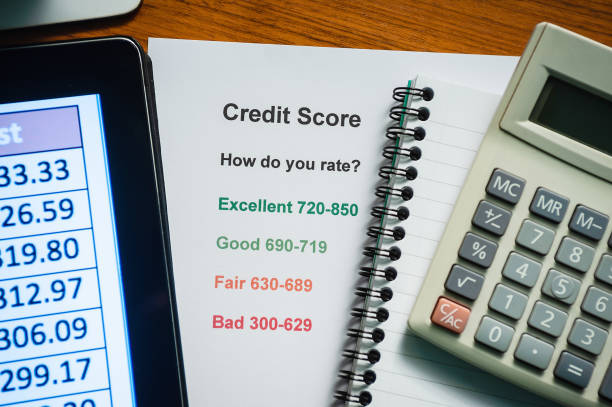
Your credit score is like a report card for your financial habits, and one of the most powerful ways to influence it is through something called credit utilization. This term simply means how much of your available credit you are actually using at any given time. Think of it as a percentage. If you have a credit card with a ten thousand dollar limit and you currently owe three thousand dollars, your utilization is thirty percent. That number matters a lot more than most people realize, and understanding how it works can help you keep your credit score high without changing much else in your spending.
Credit utilization is the second biggest factor in most credit scoring models, right after your payment history. In plain language, this means that even if you always pay your bills on time, a high utilization rate can drag your score down. The reason lenders care about this number is simple. They see high utilization as a sign that you might be stretched too thin. If you are using most of your available credit, you could be one unexpected expense away from missing a payment. For that reason, the scoring systems are designed to reward people who keep their balances low compared to their limits.
The most commonly recommended target for credit utilization is below thirty percent. This is not a hard rule written into law, but nearly every major credit scoring company treats it as a benchmark. When you cross above that threshold, your score often starts to drop. The drop becomes sharper as you move towards fifty percent, and extremely high utilization above eighty or ninety percent can hurt your score significantly. Conversely, using too little credit can also have a small negative effect. For example, if you have a card with a high limit and you never use it, the scoring models may not see enough recent activity to judge how well you handle credit. But for most people, the risk of using too little is far less damaging than using too much.
What does this mean for a middle class consumer with a few credit cards and maybe a car loan or a mortgage? First, it means that you do not need to pay off your entire balance every single month to have a low utilization rate. The score is typically calculated based on the balance that appears on your statement, not the balance on the day you pay. So if you make a purchase and then pay it off before the statement closes, that purchase will not count toward your utilization. That can be a useful strategy if you want to use your card for rewards or convenience without hurting your score.
Second, it means that asking for a higher credit limit can help you. If your current limit is five thousand dollars and you have a balance of two thousand, your utilization is forty percent. If you call your card issuer and they increase your limit to eight thousand, your utilization drops to twenty five percent without you spending a single less dollar. Many card companies will automatically raise your limit after a period of good payment history, but you can also request an increase yourself. Just be aware that some issuers do a hard pull on your credit report for that request, which can cause a small temporary dip. But in the long run, a higher limit helps your utilization.
Third, if you carry a balance from month to month, you may want to pay it down more aggressively. Even paying a little extra can move you below that thirty percent line. Say you have three thousand dollars on a ten thousand dollar limit. That is thirty percent exactly. If you pay down just three hundred dollars, you drop to twenty seven percent. That small change can improve your score. The effect is especially noticeable if you are close to the threshold.
Another key point is that credit utilization is not just about one card. It is also about your total utilization across all your revolving accounts. That means even if you keep each individual card low, your overall utilization could be high if you have a lot of debt spread across several cards. The scoring models look at both your per-card utilization and your total utilization. So you want to keep both numbers in check.
For a middle class audience, the practical takeaway is this. You do not need to be perfect, but you should make a habit of keeping your outstanding balances low relative to your limits. If you can, pay your bill in full every month. If you cannot, at least try to pay enough to stay under thirty percent. And if you are planning a major purchase that requires a credit check, like a car loan or a mortgage, it is wise to lower your utilization even more, say to ten percent, in the months leading up to the application. That brief effort can boost your score enough to qualify for a better interest rate.
In short, credit utilization is a simple concept with a big impact. By understanding the thirty percent sweet spot and taking small steps to stay there, you can improve your credit score without changing your lifestyle. It is one of the easiest and most effective ways to manage your credit health.