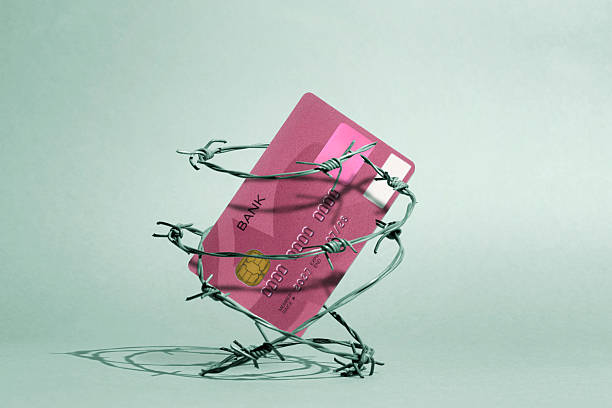
Rewards credit cards are everywhere. They promise cash back on groceries, points for travel, and free money for things you already buy. For a middle-class consumer trying to manage credit wisely, the idea of getting paid to spend sounds like a no-brainer. But rewards are not as free as they appear. The real cost of those points and discounts often hides in the fine print, and it only shows up when you look at the whole picture.
Here is the fundamental thing to understand about rewards cards. They are not designed to give you something for nothing. Credit card companies are businesses, and they make money from interest charges, fees, and the spending habits of their customers. The rewards they offer are a marketing tool. That 2% cash back on every purchase sounds generous, but the bank is betting that you will either carry a balance or pay an annual fee that more than covers the cost of those rewards. For some people, that bet pays off for the bank. For others, the rewards are genuinely free. The difference comes down to behavior.
Let us look at the most important factor: whether you pay your statement balance in full every month. If you do, you never pay interest. That means the rewards you earn are pure profit. A no-annual-fee card that gives you 2% back on all purchases is essentially a 2% discount on everything you buy. For a family that spends $3,000 a month on everyday expenses, that adds up to $720 a year. No catch, no cost. In this situation, a rewards card is clearly the right choice. The bank is losing money on you, but that is their problem.
Now consider the opposite. If you carry a balance from month to month, you are paying interest on that money. Most rewards cards come with higher annual percentage rates, or APRs, than their no-rewards counterparts. A typical rewards card might have an APR of 25% or more. A basic, no-frills card with no rewards might have an APR of 15% or even lower. The difference is enormous. On a $2,000 balance, paying 25% APR instead of 15% costs you an extra $200 per year in interest. If your rewards on that same $2,000 in spending give you 2% cash back, that is only $40. You are losing $160. The rewards are not just worthless; they are actively costing you money.
This is the trap that many middle-class consumers fall into. They see the sign-up bonus or the 2% cash back and get excited. They do not think about the APR because they assume they will pay their bill on time. But life happens. A medical bill, a car repair, or just a month of overspending can leave you with a balance. Once that balance rolls over, the high interest rate starts eating away at any value the rewards provided. A card that seemed like a money-maker becomes a money-loser.
Annual fees make this even worse. Some rewards cards charge $95 or more just to hold the card. To make that fee worth paying, you need to earn significantly more in rewards. If you do not travel often or use the specific bonus categories, you might never break even. A middle-class consumer should always calculate whether the annual fee is justified by the rewards they actually expect to earn. In most cases, a no-annual-fee cash back card is the smarter choice.
There is another hidden cost that no one talks about. Rewards cards can change how you spend. When you get 5% back on dining, you are more likely to eat out. When you earn points on shopping, you might buy things you do not need. This psychological effect is real. The rewards program nudges you toward higher spending, and that extra spending can easily exceed the value of the rewards. Even if you pay your balance in full, overspending to earn points is a losing game. The best approach is to choose a card that matches the spending you already do, not the spending the card wants you to do.
So how should a middle-class consumer compare credit cards? Start by being brutally honest about your own habits. If you have carried a balance more than once in the past year, you are likely a balance carrier. That means the most important number on any credit card offer is the APR, not the rewards rate. Look for the lowest ongoing APR you can find, even if that card offers no cash back. The money you save on interest will be far greater than any rewards you give up. If you are certain that you pay your full balance every single month, then go ahead and compare rewards cards. Just make sure there is no annual fee, or that the annual fee is worth it.
The key rule is simple. Rewards are a bonus for people who do not pay interest. For everyone else, they are a trap. Before you apply for any card, pull out a piece of paper and write down your average monthly spending, your current balance, and the interest rate you are likely to qualify for. Run the numbers. If a rewards card offers you 2% back but has an APR that is 10 points higher than a plain card, and you tend to carry a balance, the plain card wins every time. Managing credit is not about getting the flashiest card. It is about paying the least amount of money to the bank over the long run. Sometimes that means saying no to the free points and yes to a boring, low-interest card. Your wallet will thank you.