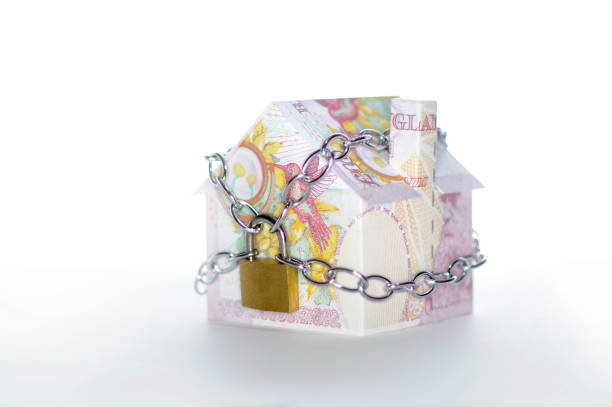
Most people think about credit health in terms of paying bills on time and keeping balances low. Those things matter, but they miss the biggest threat to a good credit score: life happening without warning. A medical bill, a car repair, a layoff, or a broken water heater can wreck months of careful credit management in a single afternoon. The difference between a temporary setback and a long-term credit disaster often comes down to one thing: whether you have an emergency fund. Without it, you are essentially gambling your credit score on the hope that nothing unexpected will happen. That is a bet you will almost certainly lose.
Think about how credit scores work. The most important factor is payment history. One missed payment can stay on your credit report for seven years. Even if you catch up the next month, the damage is done. When an unexpected expense hits and you have no cash set aside, the natural instinct is to pull out a credit card. That might keep the lights on for a month, but it creates a new problem. Now you have a higher balance on your card, which increases your credit utilization ratio. That is the second biggest factor in your credit score. A high utilization ratio tells lenders you are stretched thin, and your score drops accordingly. If the emergency is big enough, you might max out the card. Then the minimum payment becomes large, and if you also lose income, you cannot make even that payment. The cycle of late fees, penalty interest rates, and collection calls begins. All of this traces back to the absence of a simple cash reserve.
The cost of not having an emergency fund is not just the interest you pay on credit card debt. It is the opportunity cost of higher interest rates on future loans. A few points lower on your credit score can mean paying thousands of dollars more in interest over the life of a car loan or mortgage. It can mean being denied an apartment rental or having to put down a larger security deposit. It can mean higher insurance premiums. Some employers even check credit reports as part of the hiring process, especially for jobs that involve handling money. A damaged credit score can cost you a job. All of these consequences stem from the same root cause: you had no cash cushion when an emergency struck, so you had to borrow at high rates and fell behind.
Building an emergency fund is not complicated, but it requires a shift in thinking. Many middle-class consumers feel they cannot afford to save because their expenses already eat up their income. But the truth is the opposite. You cannot afford not to save because the absence of savings is what makes you vulnerable to credit damage. The key is to start small and make it automatic. Even fifty dollars a week adds up to twenty-six hundred dollars in a year. That amount can cover a major car repair or a deductible on an insurance claim. The goal is not to have six months of expenses immediately. That is a long-term target. The immediate goal is to get to one thousand dollars. Studies show that a thousand-dollar emergency fund prevents the vast majority of financial emergencies from turning into credit problems. Once you have that, you can build toward three months of expenses, then six.
Where does the money come from? Look at your recurring subscriptions, dining out, and impulse purchases. Most people can find at least a hundred dollars a month without feeling a major pinch. Redirect that money into a separate savings account that you do not link to your debit card. Treat it like a bill you must pay. The moment you put it out of easy reach, your brain adjusts. You will find ways to live on the rest because you have to. And when an emergency does happen, you have the cash to handle it. You write a check or pay with a debit card, and your credit cards stay in your wallet. Your credit score stays intact because you never took on that debt in the first place.
Some people worry that using their emergency fund will set them back, so they hesitate to dip into it even when they should. That is a mistake. The emergency fund is there to be used. If you drain it for a genuine emergency, you rebuild it as soon as you can. That process is far less damaging than charging the expense to a credit card and paying interest on it for two years. The emergency fund is not an investment. It is insurance for your credit. You are paying yourself to avoid the high cost of borrowing.
There is also a psychological benefit. Knowing you have cash in the bank reduces the stress that leads to poor financial decisions. People without an emergency fund often panic when something breaks. They take out payday loans, they borrow from retirement accounts, they open new credit cards with high fees. Each of these moves further damages their financial stability. With a cash cushion, you can step back, compare options, and choose the most cost-effective solution. That calm decision-making alone is worth the effort of saving.
In the end, building an emergency fund is the single most effective prevention strategy for protecting your credit. No credit monitoring service, no balance transfer offer, no budgeting app can do what cash in the bank can do. It keeps your payment history clean, your utilization low, and your options open. Every dollar you save today is a dollar you will not have to borrow at twenty percent interest tomorrow. And every emergency you handle with cash is a credit disaster you never experience. Start tonight. Open a separate account, set up an automatic transfer, and watch your credit score thank you later.