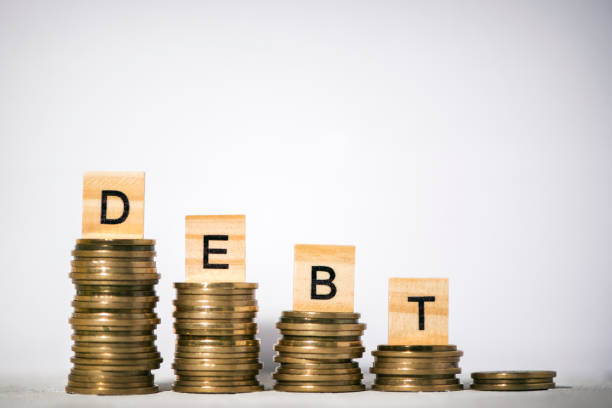
A late payment and a charge-off are not the same kind of credit problem. Both can hurt your credit score, but they tell lenders different stories. A late payment says you missed a due date. A charge-off says a creditor gave up on collecting a debt after a long period of nonpayment. Understanding that difference helps you judge how much damage has been done, what to fix first, and how long the problem may stay on your credit report.
A late payment is usually reported after you are 30 days past due. If you pay before that, many creditors will not report it to the credit bureaus. Once it is reported, the damage depends on how late the payment was, how recently it happened, how often it happens, and what your credit report looked like before. A single 30-day late payment on an otherwise clean report may cause a modest drop. A 60-day, 90-day, or 120-day late payment is more serious because it shows a longer stretch of trouble. Recent late payments hurt more than old ones, and several late payments on the same account or across several accounts are worse than one isolated mistake. Payment history is a major part of your credit score, so missed due dates matter, but the size of the hit is not fixed.
A charge-off is more serious. It generally happens after an account has been past due for a long time, often around six months. At that point, the creditor may write off the debt as a loss and report the account as charged off. The debt does not disappear. You still owe it, and the creditor or a collector may continue to pursue payment. A charge-off often comes with a trail of earlier late payments, so by the time it appears, your credit report may already show months of trouble. That combination can make the score damage much larger than a single late payment. Lenders may see a charge-off as proof that you stopped paying for an extended period, not just that you missed one due date.
The timeline is one of the biggest differences. A 30-day late payment can often be fixed by catching up and setting up automatic payments. If you act quickly, you may limit the damage or prevent it from getting worse. A charge-off means the problem has gone on for months, so there is less room to undo it. You can still improve your situation by paying the debt, settling it, or working out a plan with the creditor or collector. Getting the account status updated to paid or settled can help, but a charge-off will usually remain on your report for several years. The exact time depends on credit reporting rules and the date of the event, but seven years is a common timeframe for serious negative items.
When comparing the two, think about severity and recovery. A late payment is a warning sign. A charge-off is a major red flag. One late payment may be overlooked if the rest of your credit history is strong, especially as it gets older. A charge-off is harder to overlook because it represents a long failure to pay and often includes multiple missed payments. It can lead to higher interest rates, lower credit limits, and difficulty getting approved for new credit. In some cases, it can affect more than credit cards and loans, such as deposits for utilities or cell phone plans. The exact effect varies by lender and by the rest of your report, but the pattern is consistent: charge-offs usually cause more harm.
The best response is different for each problem. For a late payment, bring the account current as soon as possible, set reminders, and use automatic payments if that helps you avoid missing due dates. Check your credit report for errors and dispute anything that is wrong. For a charge-off, start by confirming the balance and who owns the debt. Then contact the creditor or collector to discuss payment or settlement options. Get any agreement in writing before you pay. After that, focus on building a positive record with on-time payments and low balances. Time matters, but new good habits can slowly outweigh old damage.
Neither a late payment nor a charge-off has to define your financial future. The key is to act early, understand which problem you are facing, and avoid letting a late payment turn into a charge-off. A late payment is a short-term stumble. A charge-off is a long-term problem. Treating them with the right urgency can help you protect your credit score and recover faster.