When you apply for a mortgage or a car loan, lenders look at your debt-to-income ratio, or DTI. It compares your required monthly debt payments to your gross monthly income. Many people think that all their monthly expenses count, but lenders use a narrower definition. Knowing precisely what counts as debt helps you plan for approval and get better rates.
Your DTI is simply a percentage. Suppose you earn $6,000 each month before taxes, and you have $1,800 in required payments, including credit card minimums, student loans, and your car loan. That gives you a DTI of 30%. Most lenders want a back-end ratio of 36% or less. Some government-backed loans allow up to 43%. The lower your DTI, the easier it is to manage unexpected expenses, which is why lenders favor it.
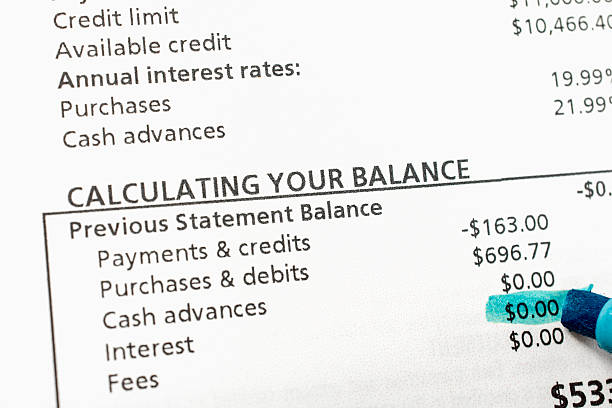
Now, what exactly goes into that calculation? The obvious items are your mortgage or rent, auto loans, student loans, personal loans, and any other fixed installment payments. For credit cards, lenders use the minimum payment shown on your statement, not your full balance. If you owe $7,000 on a card and your minimum is $180, that $180 counts. Your minimum depends on the balance, so paying down the card lowers your DTI.
Other obligations count too. Alimony and child support payments are included. So are lease payments, whether for a car or equipment. Home equity lines of credit count if they have a required payment, even if you have not used the money. Various other debts, like timeshare loans or furniture financing, also count. Co-signed loans count because you are legally responsible. Lenders do not care that your brother has always made those payments. They see a potential responsibility.
There is an important exception for short-term debts. If you have fewer than ten months of payments left on a loan, many lenders will exclude it from your DTI. That means a small personal loan with only six months remaining might not count at all. You should mention that to your lender and bring proof of your payoff schedule. It can make a meaningful difference.
While many expenses feel like debts, they do not count. Utilities such as electricity, water, gas, cable, internet, and phone service are excluded. Groceries, health insurance, car insurance, and property taxes are also left out. These are all real costs that affect your budget, but lenders need a uniform standard. By sticking to contractual debts that appear on your credit report or legal agreements, they can compare borrowers fairly across different living situations.
On the income side, lenders use your gross income before any deductions. This includes salary, hourly wages, tips, bonuses, and regular commissions. If you are self-employed, you will typically use your net income from your tax return. Rental income from properties you own counts if you can prove it is stable. Alimony, child support, Social Security, pension, and investment income can also count. The key is that your countable income must be regular and documented. A side job you have worked for three months may not count unless you have a history.
For middle-class consumers, the most direct way to improve your DTI is to lower your minimum payments. Paying off a credit card eliminates its minimum. Paying off a car loan a few months early removes that payment from the calculation. Another strategy is to avoid taking on any new installment debt in the year before you need a mortgage. Even a small personal loan of $200 per month can push your DTI over the limit. Refinancing an existing loan to a lower monthly payment could help, but beware of extending the length, which raises your total interest cost.
Finally, your DTI is not fixed. It changes as your income and debts change. Before applying for a big loan, calculate your own DTI. List all qualifying payments, add them up, and divide by gross monthly pay. If you are above 43%, you can wait, earn more, or pay down debt. If below 36%, you are in good shape. Knowing what counts as debt gives you the ability to make smart choices, like paying off a card or delaying a purchase. That will lead to better loan terms.