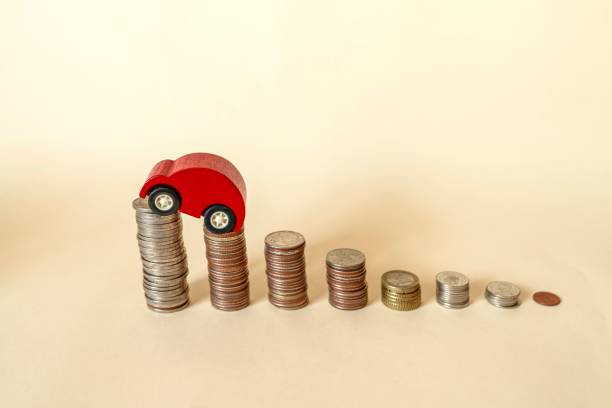
If you have a car loan, you are dealing with secured debt. That means the loan is tied to something you own, and in this case, the car itself is the collateral. If you stop making payments, the lender can take the car back. Most people understand that basic idea. But there is a tricky situation that many middle-class drivers find themselves in without fully realizing it. It is called being upside down on your loan. That just means your car is worth less than what you still owe on it. For example, your loan balance is $12,000, but the car’s current market value is only $8,000. You owe $4,000 more than the car could sell for. This is not a rare problem. It happens all the time, and it can turn a simple car loan into a financial headache.
How does this happen in the first place? The main reason is that cars lose value quickly. A new car can drop ten to twenty percent in value the moment you drive it off the lot. Over the first few years, it keeps losing value every month. Meanwhile, your loan balance goes down much more slowly. This gap gets even worse when you take out a long loan. Many people now get car loans that stretch for six or seven years. Those longer terms mean smaller monthly payments, which looks nice, but it also means the loan balance stays high for a long time. During those early years, the car’s value falls faster than the loan balance. So you owe more than the car is worth. Another common cause is rolling an old loan into a new one. If you still owe money on your previous car and you trade it in, the dealer may add the old unpaid amount to the new loan. Now you have a brand new car, but you are also paying off the old car. That instantly puts you upside down.
Being upside down on a car loan matters because it affects your options. Suppose you want to sell the car. You cannot just sell it and walk away. You have to come up with the extra cash to pay off the difference. If your car is worth $8,000 and you owe $12,000, you need to find $4,000 from somewhere just to get the title in your hands. That is a tough situation for any household. It quietly traps many people into keeping a car they might have outgrown or that needs expensive repairs. They feel stuck because they cannot afford to get out of the loan.
The bigger risk comes if the car is totaled in an accident. Insurance will only pay the current market value of the car, not what you owe. If your car is worth $8,000 and you owe $12,000, the insurance check will be for $8,000. You still owe the lender $4,000. That money does not disappear. You are responsible for paying it back, and you have no car to show for it. This is a serious financial hit for a middle-class family. Unless you have gap insurance, which covers the difference between the car’s value and your loan balance, you will have to pay that leftover amount out of your own pocket.
Repossession is even worse. If you miss too many payments, the lender can take the car. The lender will sell it at auction, usually for a very low price. After that sale, you still owe the remainder of the loan, plus fees. So not only do you lose your transportation, but you still have a debt to pay. That debt can go to collections, hurt your credit score, and even lead to a lawsuit. Being upside down does not cause repossession by itself, but it makes the aftermath much more punishing. Many people believe that handing back the keys ends the problem. It does not. The lender will chase you for the negative balance.
What can you do if you are already in this situation? The first step is to find out exactly how much you owe and what your car is realistically worth. You can check online used car sites or ask a dealer for a quote. If the gap is small, consider paying extra each month toward the principal. That will help you get back to even faster. If the gap is large, you might need to hold onto the car and drive it for several more years until the loan balance catches up to the value. Avoid trading it in unless you can pay down the negative equity first. Also, think about gap insurance if you are still financing a car that is worth less than your loan. It is usually cheap and can save you from a big bill after an accident.
The best approach is to avoid this trap in the future. Try to make a larger down payment. Keep your loan term to four years or less. Buy a car that holds its value well. And do not roll old debt into a new loan. These habits are not complicated, but they require a little discipline. Secured debt like a car loan is not bad by itself. The problem comes when you borrow more than the asset can realistically support. Understanding how upside down loans work will help you stay in control and avoid the kind of financial stress that takes years to fix.