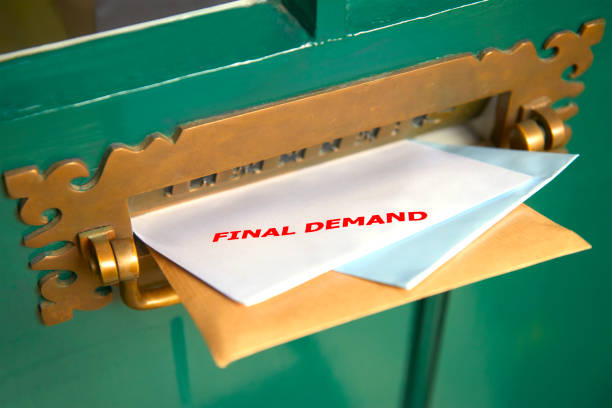
The descent into overextended personal debt often feels like a private struggle, a silent burden of mounting bills and relentless anxiety. However, when accounts become severely delinquent, this private struggle erupts into a very public and stressful confrontation: the world of debt collection. This transition marks a new and often more aggressive phase of financial distress, where the original relationship with a lender ends and a fraught relationship with a third-party collector begins, fundamentally altering the dynamics and the stakes involved.
The process typically starts when the original creditor, after months of non-payment, charges off the debt, declaring it a loss for accounting purposes. This charged-off account is then sold for pennies on the dollar to a collection agency, whose business model is to collect as much of the debt as possible for a profit. This shift introduces a new level of pressure. Debt collectors are governed by laws like the Fair Debt Collection Practices Act (FDCPA), which prohibits practices like calling at all hours or using abusive language, but the experience can still be intimidating and relentless. The constant communication is not just a request for payment; it is a persistent reminder of one's financial failure, compounding stress and fear.
Yet, within this adversarial dynamic lies a paradoxical opportunity for resolution. Because collection agencies purchase debt for a fraction of its face value, they often have significant room to negotiate. This opens the door to debt settlement, where a debtor can offer a lump-sum payment that is less than the full amount owed to settle the account permanently. While this settled status will still be noted on one's credit report for seven years, it stops the collections activity and eliminates the outstanding obligation. Successfully navigating this negotiation requires understanding one's rights, communicating in writing, and getting any settlement agreement thoroughly documented before sending a payment.
Ultimately, the journey from overextension to collections is harrowing, but it is not the end of the financial story. Engaging with the debt collection process, however unpleasant, forces a confrontation with the debt that can no longer be ignored. By understanding the system and leveraging the collector's desire for any return, individuals can strategically settle old debts, halt the relentless pressure, and clear the way to begin the long but vital process of rebuilding their financial life from a cleaner, if bruised, slate.