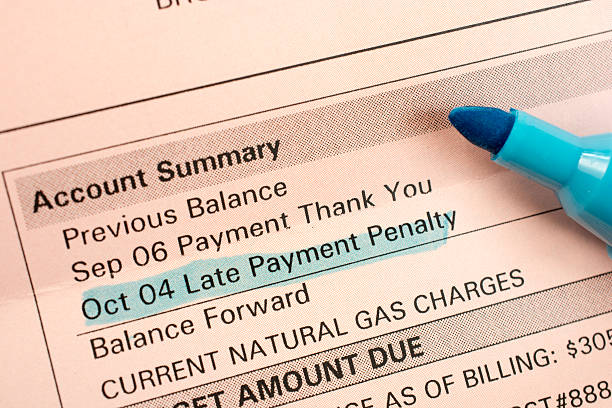
A call from a debt collector can feel like a sudden storm. You may not recognize the debt, or you may know it and hope it will disappear if you avoid it. Ignoring the call usually makes things worse. The collector may keep calling, report the debt to the credit bureaus, or file a lawsuit. If they win, they can garnish your wages, freeze your bank account, or place a lien on your property. The best response is not panic. It is to slow down, gather facts, and take control of the conversation.
When a collector reaches you, stay calm. Collectors are trained to pressure you into paying quickly. They may call at work, call your family, or threaten legal action. Federal law limits what they can do. They cannot call before 8 a.m. or after 9 p.m., use abusive language, or lie about what will happen. You can ask them to stop calling you and to contact you only in writing. But be careful. A written request to stop contact does not erase the debt. It may push the collector to sue instead. Use that request only when you are ready for the next step.
Your first job is to get information. Ask the caller for their name, company name, mailing address, and the account number. Ask which original creditor the debt came from and the exact amount owed. Write down the date and time of every call. Then ask the collector to send you written proof of the debt. Under federal law, if you send a written dispute within thirty days of the first contact, the collector must provide verification. Send your letter by certified mail and keep a copy. This creates a paper trail that can protect you later.
Next, verify that the debt is really yours. Mistakes are common. Identity theft, medical billing errors, and old debts sold from one company to another can create confusion. Check your credit reports for the collection account. If the debt is not yours, dispute it in writing with the collector and the credit bureaus. If it is yours but the amount is wrong, dispute that too. Do not admit the debt is yours until you have confirmed the details. For old debt, be extra careful. A small payment or a written promise to pay can restart the time limit for a lawsuit. Know your state’s time limit. If the time limit has passed, the collector may still ask for money, but they may not be able to win in court if you respond.
Once you know the debt is valid, decide what you can afford. If you can pay something, you may be able to negotiate. Ask for a lower lump-sum settlement or a monthly payment plan. You can also ask the collector to delete the negative mark from your credit report in exchange for payment. Get any agreement in writing before you send money. Never give your bank account number or debit card information unless you have a written deal you trust. Use a money order or cashier’s check instead. Keep records of every payment and every conversation.
If you cannot pay, do not hide. Explain your hardship. Job loss, a medical emergency, or a divorce can change what you can afford. Some collectors will settle for less if you are honest and persistent. If you have many debts, a nonprofit credit counselor or a bankruptcy attorney may help you see your options. But do not pay one collector while ignoring rent, food, or medicine. Necessities come first.
If you are sued, you must respond. Court papers have a deadline. If you ignore them, the collector can get a default judgment. That judgment gives them power to garnish wages, freeze bank accounts, and place liens on property. Some income and property are protected, but you often have to ask for that protection. Do not skip the court date. Even if you owe the money, you can often negotiate a settlement before or during the case. Legal aid or a consumer attorney can help, and some offer free consultations.
Finally, watch your credit report. A collection account can stay on your report for seven years from the first missed payment. Paying it does not automatically remove it, but it can update the balance to zero. Some collectors will remove it in exchange for payment, so always ask. Check your reports for errors and dispute anything that is wrong. Keeping good records and staying organized will make you harder to push around.
Dealing with debt collectors is stressful, but you are not helpless. You have rights, and you have choices. Do not ignore the problem. Verify the debt. Put everything in writing. Know your deadlines. Get help when you need it. A difficult debt can be managed, but only if you face it directly. The consequences of doing nothing are usually worse than the discomfort of taking action.