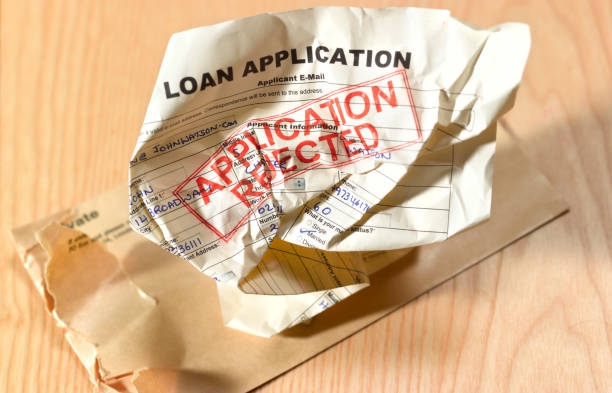
When you fall behind on a credit card, medical bill, personal loan, or other debt that is not tied to property, a creditor can take steps to collect. One of the most serious steps is a wage garnishment. That means a court orders your employer to hold back part of your paycheck and send it to the creditor. It can feel alarming, but understanding how the process works can help you respond instead of panicking.
A wage garnishment does not happen overnight. In most cases, the creditor must first sue you. You will receive a notice about the lawsuit that tells you the deadline to respond. If you ignore it, the court may enter a judgment against you without hearing your side. That judgment gives the creditor more power to collect. If you respond, you may be able to dispute the debt, work out a settlement, or ask for a payment plan. Ignoring the lawsuit is one of the worst things you can do because it often leads directly to garnishment.
After a judgment, the creditor can ask the court for an order to garnish your wages. Your employer will receive a legal order telling them how much to withhold. Federal law sets a limit on how much can be taken. In general, the creditor can take the lesser of two amounts: 25 percent of your disposable earnings, or the amount by which your weekly disposable earnings exceed 30 times the federal minimum wage. Disposable earnings means what is left after required deductions such as taxes. Some states have stricter limits, so the amount taken may be lower where you live. Certain types of income, such as some Social Security benefits, may be protected from garnishment.
The garnishment usually continues each pay period until the debt is paid off or the court changes the order. That can put a strain on your budget. You may need to adjust your spending, contact your creditors, and look for ways to increase income or reduce expenses. It is important to review the court papers carefully. They should explain the amount of the debt, the court date, and your rights to object. If you believe the amount is wrong or that some of your income should be protected, you can file an objection or claim an exemption. Deadlines matter, so act quickly.
You may also be able to stop or reduce a garnishment by negotiating with the creditor. Sometimes a creditor will agree to a lower monthly payment or a one-time settlement. Get any agreement in writing before you make payments. You can also ask the court to adjust the order if the garnishment leaves you unable to cover basic needs. If you are facing a lawsuit, consider talking to a nonprofit credit counselor or a legal aid office. They can explain your options in plain language and help you decide what to do next. Bankruptcy is another option in some cases, but it has long-term consequences and should not be your first move without advice.
A wage garnishment is a serious consequence, but it is not the end of your financial life. The key is to respond early, keep good records, and communicate with the court and the creditor. Do not assume the problem will go away. Open your mail, meet deadlines, and ask for help if you need it. Taking action can protect more of your paycheck and put you on a clearer path toward resolving the debt.