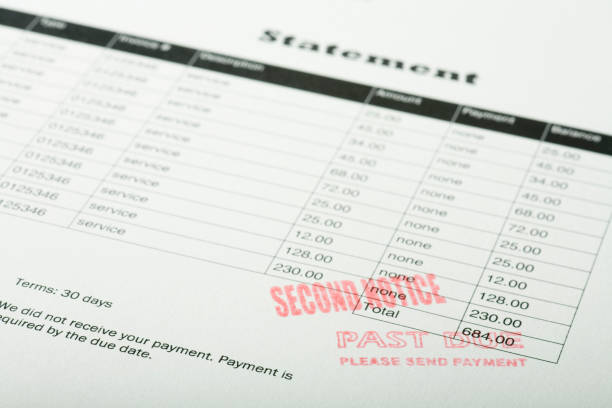
The moment a bill payment slips past its due date, a clock starts ticking. For anyone concerned about their financial health, a pressing question arises: how long before this misstep is recorded on my credit report? The timeline is not uniform, but generally, a missed payment can be reported to the three major credit bureaus—Equifax, Experian, and TransUnion—once it is at least 30 days past due. However, this simple answer belies a more complex process governed by lender policies, regulatory guidelines, and the critical grace period that precedes any negative reporting.
Understanding the standard procedure is essential. Most lenders operate on a monthly billing cycle, and their reporting to the credit bureaus typically happens once per month, often at the end of a billing cycle. A payment due on the first of the month, for instance, is not reported as “late” on the second. Creditors generally allow for a grace period, which is a window of time after the due date during which the payment can be made without penalty, though this is more common with credit cards and may not apply to loans like mortgages or auto financing. It is only after the payment remains unpaid for a full 30 days into the next billing cycle that the account may be updated to a “30 days late” status. This 30-day delinquency is the first major threshold that can severely impact your credit scores.
The actual reporting is not instantaneous. After that 30-day mark is reached, the lender must include this status in their next regular data submission to the credit bureaus. This means there can be an additional lag of a few days to a few weeks between the date you became 30 days late and the date the negative mark appears on your credit report. Consequently, a consumer might not see the impact of a late payment reflected in their credit score until well into the second month after the original due date. This lag provides a crucial, albeit narrow, window of opportunity. If you can bring the account current before the lender submits its data, you may prevent the delinquency from being reported at all. It is imperative to contact your lender immediately upon realizing you will miss a payment; some may be willing to make a one-time accommodation or work out a payment plan, especially if you have a previously good history with them.
The severity of the impact escalates with time. If the payment remains unpaid, the lender will update the status successively to 60 days late, 90 days late, and so on. Each subsequent milestone is more damaging to your credit score than the last. After approximately 180 days of non-payment, the lender will likely charge off the debt, marking it as a severe delinquency that remains on your report for seven years from the original delinquency date. It is also vital to distinguish between a late fee and a credit report entry. A lender can charge a late fee immediately after your payment due date passes, per your agreement, but that financial penalty is separate from the credit reporting timeline. You could incur a fee without the event harming your credit score, provided you pay before the 30-day threshold.
In conclusion, while the formal reporting of a missed payment to credit bureaus generally occurs after it is 30 days past due, the process involves several steps and potential delays. The most important takeaway is that proactive communication with your creditor is your strongest defense. By acting quickly within that initial 30-day window—or even during the subsequent reporting lag—you can often mitigate or even prevent long-term damage to your credit history. Vigilance and immediate action are the keys to navigating this critical period and preserving your financial standing.