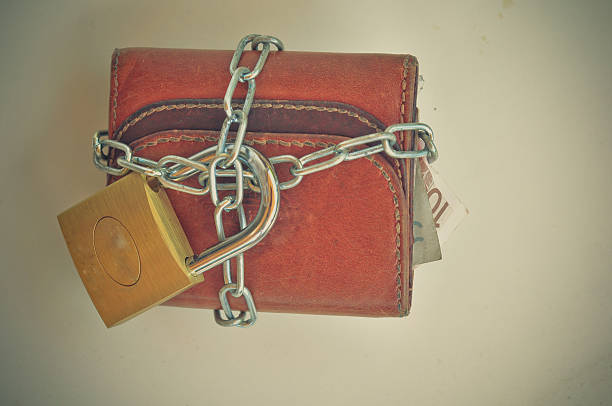
Secured debt sounds safe on the surface. You borrow money, you put up an asset like your house or car as collateral, and the lender gives you a lower interest rate because they have something to fall back on if you don’t pay. This arrangement works well for many people when times are good. But when you are already overextended—meaning your monthly debts are eating up a large chunk of your income—secured debt can turn into a fast track to losing the things you need most.
The most common form of secured debt for middle-class consumers is the home equity loan or home equity line of credit, often called a HELOC. You might also see secured personal loans or car title loans, but the principle is the same. You pledge an asset, and if you miss payments, the lender has the legal right to take that asset. For your home, that means foreclosure. For your car, that means repossession. The risk is not theoretical. When you are already struggling to keep up with your regular mortgage, credit cards, and other bills, adding a secured loan on top of that can push you past the breaking point.
Why do overextended consumers turn to secured debt in the first place? Usually because they need money quickly and their credit scores are already damaged from high credit card balances or missed payments. Unsecured loans become expensive or unavailable. A secured loan offers a lower rate and a higher borrowing limit. It feels like a lifeline. You might use it to consolidate other debts, pay for an emergency car repair, or cover a medical bill. The problem is that you are trading unsecured debt—which can be discharged in bankruptcy or negotiated down—for secured debt that puts your home directly in the line of fire.
Consider a typical scenario. You have $20,000 in credit card debt at 22% interest. Your monthly minimum payments are eating up most of your disposable income. A lender offers you a home equity loan at 8% for $20,000. You take it, pay off the cards, and now you have a single lower monthly payment. But you also have a new lien on your house. If you fall behind on that payment—because your income drops, or another unexpected expense comes up—the lender can start foreclosure proceedings. With credit card debt, a missed payment hurts your credit, but you still have a roof over your head. With a secured home loan, a missed payment can cost you the roof itself.
Another hidden danger is that secured debt often comes with fees and variable interest rates, especially for HELOCs. Many HELOCs have a variable rate tied to the prime rate. When the Federal Reserve raises interest rates, your monthly payment can jump significantly. If you are already overextended, that increase might be impossible to absorb. You could end up in a situation where you cannot afford the payment and you cannot refinance because your home value has dropped or your credit has worsened. That is exactly how people slip into foreclosure.
There is also the psychological trap. Because secured debt feels more “serious” and has lower payments, some consumers treat it as less urgent than credit card minimums. They prioritize smaller unsecured debts or daily expenses, assuming they can always catch up on the home equity loan later. But lenders do not wait. They have a fast legal process for secured debt. In many states, a lender can begin foreclosure after just a few missed payments. You may lose your home before you even realize how far behind you have fallen.
If you are already overextended, the best approach is to avoid taking on any new secured debt unless it is an absolute last resort and you have a clear, realistic plan to repay it. Before you pledge your home or car, look into alternatives like nonprofit credit counseling, debt management plans, or even talking to your existing creditors about hardship programs. Bankruptcy, while daunting, often protects your primary residence through exemptions, whereas a secured loan gives a lender a direct claim on that same home.
The key takeaway is that secured debt is not a solution to overextension. It is a financial tool that works well for people with stable income and manageable debt loads. For someone who is already stretched thin, it adds risk to the most basic parts of life: your home and your transportation. Understanding that risk is the first step toward making a better choice, even when it feels like you have no options left.