Most middle-class consumers build their credit habits around a steady paycheck. You pay your bills on time, keep your credit card balances reasonable, and maybe even put a little aside for savings. Then something unexpected happens—a layoff, a reduction in hours, a medical leave that cuts your income in half. That sudden drop in earnings is what financial experts call an income shock. And if you are not prepared, it can send your credit score tumbling in ways you might not see coming until it is too late.
The first place an income shock shows up is in your credit utilization ratio. This is the percentage of your total available credit that you are actually using at any given moment. If you used to charge two hundred dollars a month on a card with a five-thousand-dollar limit, your utilization was a healthy four percent. But when your income drops, you may need to put groceries, gas, and utility payments on that same card. Now your balance jumps to fifteen hundred dollars, making your utilization thirty percent. That is still below the recommended thirty percent threshold, but it is getting close. If the shock lasts for several months, you might end up carrying three thousand dollars or more, pushing utilization above sixty percent. Credit scoring models see high utilization as a sign of financial stress, and your score can drop by fifty to one hundred points in a single billing cycle.
Beyond utilization, an income shock often leads to missed or late payments. This is the most dangerous consequence of all. Payment history makes up the largest chunk of your credit score, around thirty-five percent. When you are used to a certain income level, your fixed expenses—rent or mortgage, car payment, insurance, student loans—stay the same even when your earnings drop. You might tell yourself you will catch up next month, but next month your income is still low. A single payment that is thirty days late can stay on your credit report for seven years. Multiple late payments in a row create a pattern that lenders see as high risk. Suddenly, you cannot refinance your car, get a new apartment, or qualify for a balance transfer card with a low introductory rate.
Another hidden effect of an income shock is the temptation to open new credit accounts. When cash is tight, you might receive an offer for a store card or a personal loan and think it is a lifeline. But applying for new credit triggers a hard inquiry on your report, which temporarily lowers your score by a few points. More importantly, if you are approved and start using that new card, you add another balance to your overall debt load. Your total utilization may not improve because you are simply shifting debt from one account to another. And if your income is already reduced, lenders may see you as a higher risk for default, which can hurt your ability to get approved for anything in the future.
The good news is that an income shock does not have to permanently wreck your credit if you take the right steps early. The most effective move is to contact your creditors before you miss a payment. Many credit card companies, mortgage servicers, and student loan providers have hardship programs that allow you to temporarily lower your minimum payment, defer payments without penalty, or waive late fees. These programs are designed for exactly the kind of situation you are in. They may ask for proof of your reduced income, but they will not report skipped payments as delinquent as long as you follow the agreed terms. This keeps your payment history clean while you get back on your feet.
Next, focus on keeping your credit utilization as low as possible. If you have multiple credit cards, use your smallest-balance card for essential purchases and pay it off as quickly as you can. Leave your high-limit cards unused if you can manage. If you have a card with a zero balance, keep it open. Closing accounts reduces your total available credit, which will make your utilization shoot up even if you do not add new charges.
You should also resist the urge to dip into retirement accounts or take out payday loans to cover bills. Retirement withdrawals can trigger taxes and penalties that make your cash situation worse. Payday loans carry interest rates that can exceed four hundred percent annually, trapping you in a cycle of debt that is nearly impossible to escape. Instead, look into community assistance programs, food banks, or temporary gig work. Even small amounts of extra income can keep you from adding more debt to your credit report.
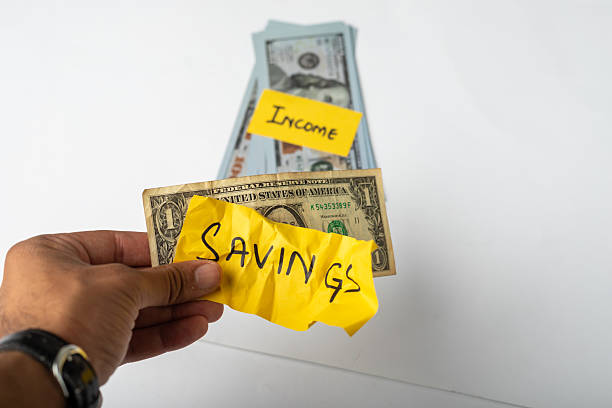
Finally, rebuild your emergency fund as soon as your income stabilizes. An income shock is not something you can predict, but you can reduce its impact on your credit by having three to six months of essential expenses saved in a liquid account. That buffer allows you to pay your bills on time and keep your balances in check while you find a new job or wait for your hours to return. Your credit score is a long-term asset. Protecting it during an income shock requires a calm head, a willingness to ask for help, and a plan to get back to steady ground as quickly as possible.