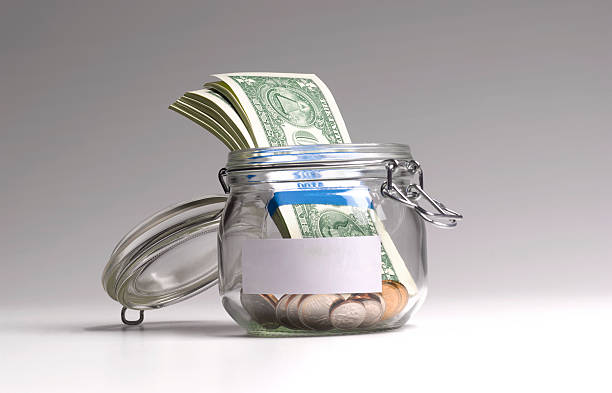
An emergency fund is the cornerstone of any solid financial plan. It’s the money that lets you sleep soundly, knowing you can handle a sudden car repair, a medical bill, or even a job loss without spiraling into debt. But once you’ve committed to building this safety net, a very practical question arises: where exactly should you keep this money? The answer isn’t in your checking account or under your mattress. The perfect home for your emergency fund balances three key principles: safety, liquidity, and a modest return. Let’s break down what that means and explore your best options.
First and foremost, your emergency fund must be safe. This is not investment money. You should not be trying to chase high returns with it, because that always comes with higher risk. The stock market can be a fantastic wealth-builder over the long term, but it is far too volatile for money you might need next week. The last thing you want during an economic downturn, when job loss is a real possibility, is to see your emergency fund’s value drop by twenty or thirty percent. Therefore, your emergency fund belongs in a federally insured account. This means looking for banks or credit unions that offer accounts backed by the FDIC or the NCUA, which protect your money up to a certain limit, typically $250,000 per account type. This guarantee means your principal is protected, no matter what happens in the economy.
The second critical principle is liquidity. Liquidity simply means how quickly and easily you can turn your savings into cash without penalty or significant loss. A true emergency won’t wait for you to sell stocks, request a CD withdrawal, or transfer money from a distant account. Your emergency fund needs to be accessible, ideally within one business day. This rules out certificates of deposit (CDs) for the core of your fund, as they lock your money away for a set term and charge a penalty for early withdrawal. While some people use a “CD ladder” strategy for a portion of their fund, the core accessible cash should be more readily available.
Finally, while growth is not the primary goal, it’s reasonable to want your money to work a little for you. In an era of inflation, letting thousands of dollars sit in a traditional checking account earning zero interest means its purchasing power slowly erodes. So, you want to find a safe, liquid account that also offers a competitive interest rate. This is where your two best options come into clear focus: high-yield savings accounts and money market accounts.
A high-yield savings account is often the top recommendation for an emergency fund. These are offered primarily by online banks. Because these banks don’t have the overhead costs of maintaining physical branches, they can pass the savings on to you in the form of much higher annual percentage yields (APYs). Your money is perfectly safe (FDIC-insured), completely liquid for transfers to your main checking account, and earns a return that helps combat inflation. The only minor drawback is that transfers can take a day or two, but for most emergencies, this is perfectly acceptable.
A close sibling to the high-yield savings account is a money market account. These are also offered by both traditional and online banks and are FDIC-insured. They often come with a debit card or check-writing privileges, giving you even faster access to your funds than a savings account, which might only allow transfers. Their interest rates are typically competitive with high-yield savings accounts. Be sure you are looking at a money market account from a bank, not a money market fund from a brokerage, which is not FDIC-insured.
For your immediate, small emergency cash, it’s wise to keep a small portion—perhaps $500 or $1,000—in your local checking account. This covers truly immediate, cash-based needs. But the bulk of your three-to-six months’ worth of living expenses should be parked in a separate, dedicated high-yield savings or money market account. This physical and psychological separation is crucial. It prevents you from dipping into your emergency fund for a non-emergency like a vacation sale, and it allows that money to quietly grow with interest, untouched until a real need arises.
In summary, the ideal home for your emergency fund is not exciting, and that’s the point. By choosing a federally insured high-yield savings or money market account, you achieve the golden trio: your money is protected from loss, available when crisis strikes, and slowly growing so it doesn’t fall behind. It’s a simple, powerful step that secures your financial foundation and lets you manage your credit and your life with far greater confidence.