You have probably heard the advice to never use more than thirty percent of your credit card limit. It gets repeated in blogs, financial videos, and even by some bank representatives. The rule sounds simple and safe. Keep your balance under that line, and your credit score should be fine. But for many middle-class consumers, this single piece of advice can accidentally lead to more debt and confusion. The problem is not that the number itself is wrong. The problem is that financial illiteracy hides the real reason behind the rule and tricks people into thinking they are being responsible when they are actually slowly digging a hole.
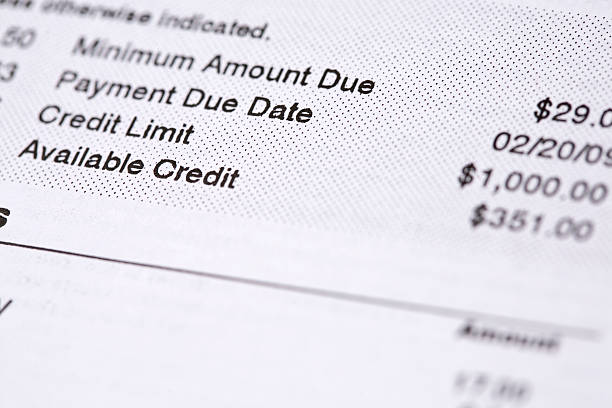
Let us first understand where the thirty percent number comes from. Credit scoring models look at something called your credit utilization ratio. That is a fancy way of saying how much of your total available credit you have borrowed at any given time. If you have a card with a ten thousand dollar limit and you owe three thousand dollars, your utilization is thirty percent. For a long time, many experts noticed that people with the highest credit scores often had utilization rates below thirty percent. So the rule became a target. Stay under thirty percent, and your score will stay high.
The issue with this rule is that it focuses on the score instead of the debt. A middle-class consumer who follows this rule might think they are making a wise financial choice by keeping their balance at exactly twenty-nine percent of their limit. But three thousand dollars in credit card debt at eighteen or twenty percent interest is still expensive debt. It does not matter if it is thirty percent or ten percent of your limit. If you cannot pay that balance in full every month, you are paying interest on a purchase that has already lost its value. The rule is meant for credit scoring optimization, not for personal financial health.
A more dangerous side effect of the thirty percent rule is the way it encourages people to raise their credit limits. A common strategy to improve your score under this rule is to ask the bank for a higher limit. Suppose you owe three thousand dollars and have a ten thousand dollar limit. That is thirty percent. But if you get your limit increased to fifteen thousand dollars, your utilization drops to twenty percent. Your score might go up, and you feel great. Yet you still owe the same three thousand dollars. You have not paid anything down. You have just made the same debt look smaller on paper. This is where financial illiteracy becomes expensive. You feel safer, so you might spend a little more. A few months later, you owe six thousand dollars on a fifteen thousand limit, which is forty percent. Your score drops. You panic. You ask for another limit increase to get back under thirty percent. This cycle is called credit limit creep, and it is a direct result of believing that the percentage matters more than the actual dollar amount.
Another trap is the way this rule makes people treat their credit card limit like a monthly budget. Many middle-class consumers see a ten thousand dollar limit and think that spending three thousand dollars a month is fine because it is under thirty percent. But credit cards are not income. The limit on your card is not a budget. It is a maximum borrowing amount. If you are spending three thousand dollars a month on your card and only paying the minimum, you are living beyond your means. The thirty percent rule gives you false permission to spend money you do not have. It turns a scoring metric into a spending guideline, which is a dangerous mix of financial literacy gaps.
The truth is that the best utilization rate for your wallet is zero percent. That means paying off your statement balance in full every month before the due date. When you do that, you avoid all interest charges. Your score will still be fine because even a low single-digit utilization reporting on your statement is considered excellent by the scoring models. The difference is that you are not carrying a balance. You are using the card for convenience and rewards, not as a loan.
Financial illiteracy is not just about not knowing terms like APR or compound interest. It is also about misunderstanding rules of thumb. The thirty percent utilization rule was designed for people who already have credit card debt and are trying to protect their score while they pay it down. It was never meant to be a guide for how much debt you should take on. Middle-class consumers need to shift their focus from the percentage to the payment. Ask yourself one question: can I pay this balance in full when the bill arrives? If the answer is no, you are carrying too much debt, regardless of what percentage of your limit it represents.
The simpler and safer approach is to think of your credit limit as an emergency cushion, not a spending target. Keep your balance as low as possible, pay your bill on time, and ignore the temptation to chase a specific percentage for your score. Your financial health will be better for it.