If you are carrying multiple debts, you have likely heard of two popular ways to pay them off. One focuses on the smallest balance first, called the debt snowball. The other focuses on the highest interest rate first, called the debt avalanche. Both methods require the same basic steps: make minimum payments on everything, then put any extra money toward one target. The question is which target you choose.
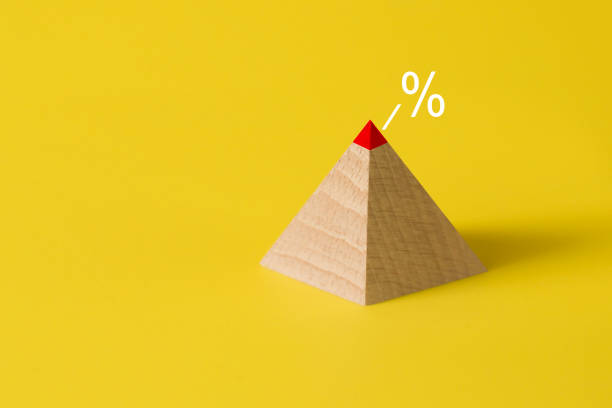
The debt avalanche method is mathematically superior. It saves you money over time because it minimizes the total interest you pay. The reason boils down to one simple fact: not all debt costs the same. A credit card charging 24 percent interest is far more expensive than a car loan at 6 percent, even if the car loan has a larger balance. When you pay off the high-rate debt first, you stop the most expensive charges from piling up. Every dollar you send toward that card earns you an immediate 24 percent return in avoided future interest. No other investment gives you that kind of guaranteed savings.
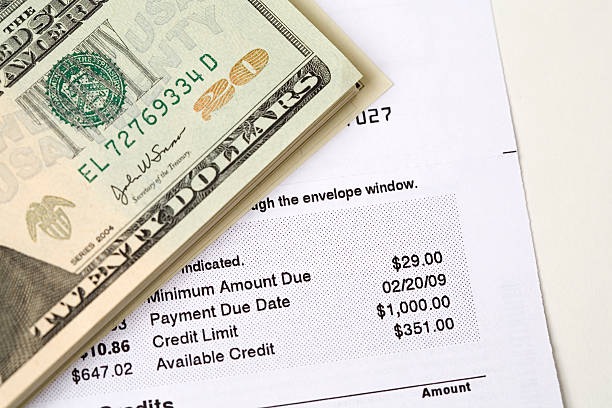
To understand why this matters for a middle-class consumer, consider a typical situation. You have a credit card balance of three thousand dollars at 22 percent interest, a personal loan of five thousand dollars at 10 percent, and a student loan of ten thousand dollars at 5 percent. With the debt avalanche method you put all extra money toward the credit card first, even though its balance is the smallest of the three. Once that card is gone, you attack the personal loan, and finally the student loan. Over the entire payoff period, you avoid paying interest on that high-rate debt for months or years longer than if you had tackled a lower rate first.
The interest savings can be substantial. On a two-year payoff plan, the avalanche method might save you several hundred dollars compared to the snowball method. For a family on a tight budget, that is real money that can go into an emergency fund, retirement savings, or a vacation. The longer the debt repayment period, the bigger the gap grows.
Yet many people resist the avalanche method because they crave the psychological boost of paying off a small balance quickly. The debt snowball gives you a quick win, a feeling of progress that keeps you motivated. That emotional benefit is real, and for some people it outweighs the financial cost. But if you can stay motivated by watching your total debt shrink and your interest savings grow, the avalanche is clearly the better choice.
The key is to shift your mindset from balance size to interest rate. Think of each debt as a leak in your financial bucket. The biggest leak is always the one with the highest interest rate, regardless of how much water has already spilled. Plugging that leak first stops the most damage. Once it is fixed, you move to the next biggest leak. The bucket holds more water over time, meaning you keep more of your money.
Another important point is that the avalanche method rewards you for understanding your interest rates. Many people do not know the exact APR on each debt. They might look at the monthly payment or the total balance but ignore the rate. That is a mistake. Your credit card statement, loan documents, and online accounts all show the APR clearly. Take ten minutes to list every debt with its balance, minimum payment, and interest rate. Sort that list from highest rate to lowest. That is your avalanche order.
Now, what about the common argument that you should pay off the largest balance first? That is a different method entirely, sometimes called the highest balance method. It is rarely optimal because the largest balance often carries the lowest rate, such as a mortgage or student loan. Paying that off early saves relatively little interest compared to attacking a smaller high-rate credit card. The avalanche method ignores balance size and focuses purely on cost per dollar borrowed.
For middle-class consumers who have some savings discipline, the avalanche method pairs well with an emergency fund. You should not drain your emergency savings to pay off debt, because unexpected expenses will send you right back to the credit card. Instead, keep a small cash cushion of one to two months of expenses, then use every extra dollar to avalanche your highest-rate debt. Once that debt is gone, you can either increase your emergency fund or move to the next rate on the list.
Some people worry that the avalanche method takes too long to show progress. If your highest-rate debt also has a large balance, it might take months to see it disappear. That can be discouraging. One way to stay on track is to use a simple spreadsheet or a debt payoff app that shows your total interest saved over time. Watching that number grow can be just as motivating as watching a balance hit zero. You can also celebrate other milestones, such as paying off a certain percentage of total debt or reducing your average interest rate.
Ultimately, the debt avalanche method is the most efficient way to become debt free. It is not the easiest on your emotions, but it is the kindest to your wallet. Middle-class consumers who want to maximize every dollar should start by focusing on interest rates. That single number tells you exactly where your money is leaking fastest. Plug that leak first, and every dollar you send afterward works a little harder for you.