You have probably seen it happen. A coworker gets a new luxury SUV. A neighbor installs a sparkling in-ground pool. A friend posts photos from an expensive tropical vacation. The quiet thought creeps in: “Should I be doing that, too?” That impulse is called conspicuous consumption. It is the habit of buying things primarily to display wealth or status rather than because you need them. For middle-class consumers, this urge can be a quiet roadblock to good credit and financial stability.
Conspicuous consumption is not new. For decades, people have tried to “keep up with the Joneses.” But today the pressure is louder and more constant because of social media. Every scroll shows someone else’s new purchase, upgraded home, or weekend getaway. It is easy to feel like you are falling behind even when you are financially fine. The problem is that trying to match those outward signs of success often means spending money you do not have. And when you rely on credit cards or loans to fund that spending, your credit score takes a direct hit.
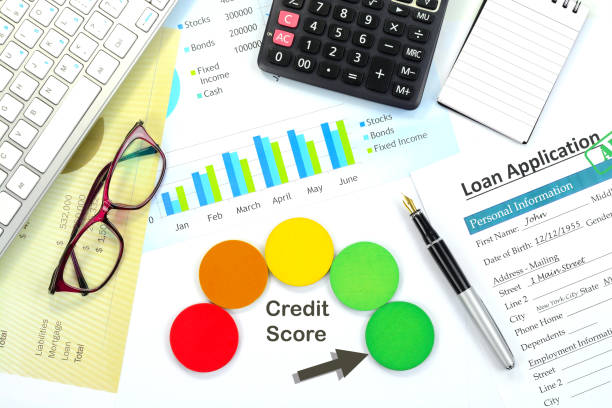
One of the first ways conspicuous consumption hurts credit is through high credit utilization. This is the percentage of your available credit that you are using. Financial experts recommend keeping it below thirty percent. But when you buy items to impress others, you may charge large amounts to your cards. A designer handbag or premium electronics can easily push your balance close to the limit. A high utilization rate signals to lenders that you might be overextended, and it lowers your credit score quickly.
Another damage point is missed or late payments. When you spend beyond your budget, you stretch your monthly income. You might plan to pay off that new purchase later, but unexpected expenses like a car repair or medical bill can throw off your schedule. Before you know it, you skip a credit card payment or pay it late. A single late payment can stay on your credit report for seven years and drop your score by dozens of points. Multiple late payments compound the problem.
Conspicuous consumption also leads to taking on installment debt for status items. Consider financing a luxury vehicle that costs more than you can comfortably afford. The monthly payment eats into money that could be saved or used for essentials. If your income drops or an emergency arises, you may struggle to make the payment. A repossession or default is devastating to your credit history. Similarly, using store credit cards to buy high-end furniture or electronics often comes with deferred interest. If you fail to pay off the balance within the promotional period, the interest piles on, making the item far more expensive than the sticker price.
Middle-class consumers are especially vulnerable because they have enough income to qualify for credit but not enough to absorb major setbacks. The desire to project a wealthier image can override common sense. Social pressure makes it hard to say no to a group dinner at an expensive restaurant or to drive an older car when peers are buying new ones. But the real cost is not just the money spent. It is the long-term damage to your creditworthiness, which affects your ability to rent an apartment, get a mortgage, or even land certain jobs.
The good news is that you can break the cycle. Start by recognizing the triggers. When you feel the urge to buy something because of what others will think, pause. Ask yourself: Do I need this? Can I afford it without debt? Will it matter in six months? Most of the time, the answer is no. Replace the impulse with a habit of celebrating your own financial milestones instead of comparing to others. Paid off a credit card? That is a bigger win than a new handbag. Built an emergency fund? That is more valuable than a vacation you cannot afford.
Practical steps include setting a strict credit card limit for yourself that is well below your actual credit line. Use cash or debit for everyday purchases like dining out and clothing. If you want to save for a status item, do it with a sinking fund rather than credit. Pay yourself first by putting money aside each month. When you have the cash, you can buy the item without harming your credit or your peace of mind.
Finally, remember that most people do not notice your possessions as much as you think. The ones who do notice are often struggling with the same pressures. True financial health comes from having low debt, high savings, and a strong credit score. That quiet confidence is far more impressive than any flashy purchase.