Conspicuous consumption is a fancy phrase for a simple habit: buying things less because you need them than because other people will see you have them. The car that signals you have arrived. The watch. The vacation that only counts once it is posted. The house with the extra bedroom that proves something to a relative. Most people who fall into this pattern are not reckless. They are normal earners trying to feel secure, respected, and like they belong. That last part matters, because the spending is usually less about vanity than about belonging.
The difference today is the audience. A generation ago, most people compared themselves with neighbors, coworkers, and the families at their kid’s school. Today the comparison set is a feed of thousands of people, most of whom only post highlights. You see the kitchen renovation, the new car, the trip to Portugal. You do not see the home equity loan behind the renovation or the card balance behind the trip. That mismatch makes an ordinary middle-class life feel like it is falling short, even when it is not. And because almost everyone’s feed looks similarly comfortable, it is easy to believe you are the only one struggling to keep up.
Middle-class income often cannot cover upper-middle-class signals, so the gap gets financed. This is the point where credit stops being a tool and becomes a trap. A credit card does not make a purchase affordable; it makes the purchase possible and adds interest on top. Spread across two or three cards, plus a buy-now-pay-later plan, the real total gets blurry fast. Minimum payments are built to keep an account in good standing, not to get you out of debt. They are survivable, and that is exactly the problem.
The math is unforgiving. A couple thousand dollars carried at a typical credit card rate, paid down with only the minimum, can take more than a decade to clear and cost more in interest than the original purchase. The purchase is long gone; the payment is not. Meanwhile, high balances relative to your limits hurt your credit score, which raises the cost of the next thing you finance, whether that is a car loan, a mortgage, or insurance in many states. Chasing the appearance of financial comfort can make you genuinely less financially stable.
There is also the quiet cost of what does not get funded. Every dollar going to old purchases plus interest is a dollar not going to an emergency fund, retirement, or a down payment. And spending tends to ratchet upward. A raise arrives, a nicer apartment or car follows, and within a year the budget feels just as tight as before. The first few weeks of a new car or a new outfit feel good. The payments last for years after that feeling fades.
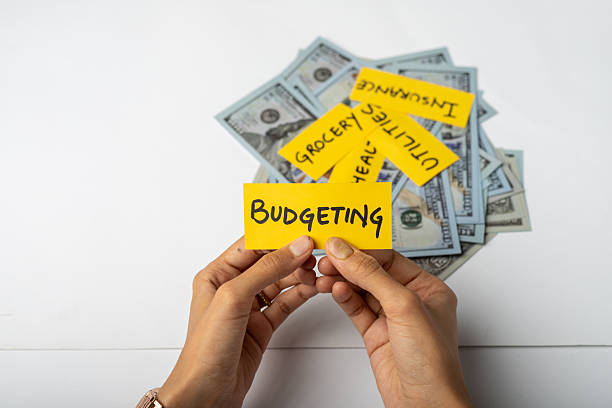
Breaking the pattern starts with separating what you want people to see from what you actually want. Those are different lists, and most people never write them down. A budget line for fun spending helps, because it turns spending into a decision instead of a reflex. So does a simple delay rule: for anything non-essential over a set amount, wait a week or a month before buying. A useful test is to ask whether you would still want the thing if nobody could ever see it. Most of the urgency disappears.
It also helps to manage the input. Unfollowing accounts that reliably make you feel behind is not petty; it removes a trigger. Setting your card to autopay the full statement balance keeps credit from quietly turning into debt. And comparing your progress to your own goals, like savings rate, debt payoff, and retirement balance, instead of to other people’s photos, puts the scoreboard back where it belongs.
Finally, talk about money. The norm that keeps conspicuous consumption running is silence. When friends are honest about what they are saving, what they are turning down, and what they wish they had not bought, the pressure eases for everyone. Nobody has to pretend.
The goal is not to stop enjoying money. It is to spend on purpose, so the things you buy reflect your life rather than someone else’s highlight reel, and so your credit stays a tool you control rather than a bill you keep paying.