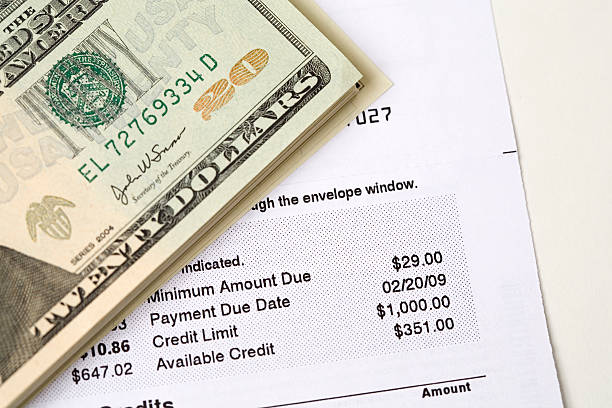
A charge-off sounds like something that only happens to people in serious financial trouble. But many middle-class families face it after a medical bill, job loss, or car repair. When that happens, the lender charges off the account. This does not mean the debt disappears. It means the company has written it off as a loss for tax purposes. For you, the consequences are real, but they are not permanent. Understanding how a charge-off works can help you make better decisions. It is very common.
A charge-off typically happens after 180 days of missed payments. Your credit report will show it as a serious negative item. This will lower your credit score significantly. How much depends on your score before the event. If you had a good score, you might lose 100 points or more. If your score was already low, the drop might be smaller, but still painful. A lower score affects more than just your ability to borrow. It can increase your insurance premiums, make it harder to rent an apartment, and even hurt your chances of getting a job.
One common misunderstanding is that a charge-off means the debt is forgiven. That is not true. You still owe the money. The original lender may sell the debt to a collection agency. The agency will then contact you, and the account may appear as a separate collection. So you could end up with both a charge-off and a collection for the same debt. This double hit makes your credit situation even worse.
A charge-off stays on your credit report for seven years from the first missed payment. This is a long time. However, the impact lessens as time goes on. After two or three years, it still matters, but it is not as damaging. What you do during those seven years can make a big difference. This rule is set by the Fair Credit Reporting Act.
There are steps you can take after a charge-off. First, review your credit report carefully. Make sure the charge-off is accurate. If you see a wrong date or an account that is not yours, dispute it. If the debt is truly yours, you have options. One option is to pay the full amount. This will not remove the charge-off, but it updates the status to ’paid charge-off.’ Some lenders see that more favorably than an unpaid one. It also stops interest and fees. Errors on credit reports are common.
Another option is to negotiate with your creditor. Many will accept a settlement for less than what you owe. For example, you might offer to pay 40 percent or 50 percent of the balance to close the account. Get any agreement in writing before you send money. Be aware that the forgiven amount might be considered taxable income by the IRS. So you could owe taxes on the difference. Weigh that against the benefit of resolving the debt.
If you cannot pay anything, you can still limit the damage. Send the creditor a written request to stop phone calls. Under federal law, you can ask that they only contact you by mail. This does not stop the debt from being reported, but it reduces the harassment. Also, stay away from credit repair companies that promise to erase charge-offs. No one can legally remove accurate negative information before seven-year period. Anyone who claims otherwise is likely running a scam.
The best long-term strategy is to rebuild your credit. After a charge-off, continue to pay your other bills on time. Get a secured credit card or become an authorized user on a trusted family member’s account. Over time, positive payment history will offset the negative charge-off. Do not open too many new accounts at once, as that can look risky. Just keep it simple and consistent. Stay patient and focused.
A charge-off is not the end of your financial life. Many people recover and go on to buy homes, finance cars, and get good credit cards again. The key is to understand the rules, avoid panic, and take responsible actions. The seven years will pass. How you handle it now determines how your credit looks when that time is over. Your future can be better.