Entering your twenties often feels like a grand opening ceremony to adulthood, marked by newfound independence, career beginnings, and perhaps the first substantial taste of financial autonomy. Yet, this decade is also when many people accumulate significant debt, from student loans and credit cards to auto financing. While it may be tempting to view this debt as an inevitable part of modern life and delay aggressive repayment, the twenties represent a uniquely critical window of opportunity to tackle financial obligations. The reason lies not just in the math of interest, but in the profound and compounding impact this period has on your entire financial future, your psychological well-being, and your life’s possibilities.
Financially, the power of time is your greatest ally or your most formidable foe. Debt, particularly high-interest debt from credit cards, grows exponentially due to compound interest. The longer a balance persists, the more you pay in interest, effectively throwing money away that could be invested or saved. Conversely, the money you free up by eliminating debt payments can be directed toward investments. The principle of compounding works in reverse for debt, burying you deeper, but it works magnificently for investments. A dollar invested in your twenties has decades to grow, potentially turning into many dollars by retirement. By tackling debt early, you reclaim your most valuable financial asset: time. You transition from paying interest to earning it, setting the stage for wealth accumulation rather than a perpetual cycle of catch-up.
Beyond the raw numbers, the habits and mindsets solidified in your twenties tend to define your long-term financial trajectory. This decade is when you establish your financial personality. Consistently making more than the minimum payment, creating a realistic budget, and learning to distinguish between wants and needs are not just temporary tactics; they are the foundational disciplines of a secure financial life. Mastering these skills early turns them into second nature, preventing the slow creep of lifestyle inflation that often leads to more debt later. Conversely, allowing debt to become a normalized, permanent fixture can lead to a scarcity mindset, where financial stress becomes a background constant, limiting your ability to make bold, opportunity-seeking decisions.
This leads to the profound impact debt freedom has on life choices and psychological freedom. Significant monthly debt payments act as a gravitational force, pulling you toward decisions based on necessity rather than aspiration. They can make changing careers, starting a business, traveling, or returning to school feel financially impossible. The weight of debt can also be a considerable source of anxiety, affecting mental health, sleep, and relationships. Tackling this burden in your twenties, before major commitments like mortgages or dependents typically arise, grants you a lighter, more agile foundation. You gain the emotional and financial bandwidth to take calculated risks, pursue passions, and build a life aligned with your values, not your creditors’ demands.
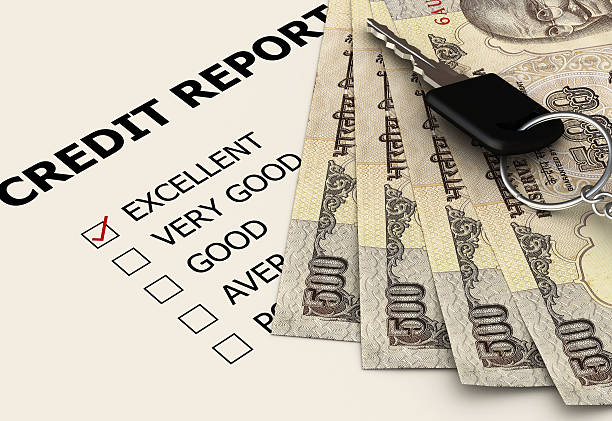
Finally, the economic reality is that financial missteps in your twenties can have long-lasting repercussions. Defaulting on loans or consistently missing payments can severely damage your credit score, a digital fingerprint that follows you for years. A poor credit score translates to higher interest rates on future loans, costlier insurance premiums, and can even affect rental and employment opportunities. Proactively managing and eliminating debt builds a strong credit history, which becomes an invaluable tool when you need it most—to secure a low mortgage rate for your first home, for instance. You are not just paying off past purchases; you are investing in your future credibility.
In essence, your twenties are a formative period where financial patterns are set, time is on your side, and life paths are still wonderfully malleable. Tackling debt during this decade is less about austerity and more about strategic empowerment. It is the deliberate choice to trade short-term gratification for long-term sovereignty. By confronting debt head-on, you are not merely balancing a ledger; you are purchasing your own freedom, buying back your future time and potential, and laying the cornerstone for a life defined by choice, security, and possibility. The effort required is substantial, but the cost of waiting is infinitely greater.