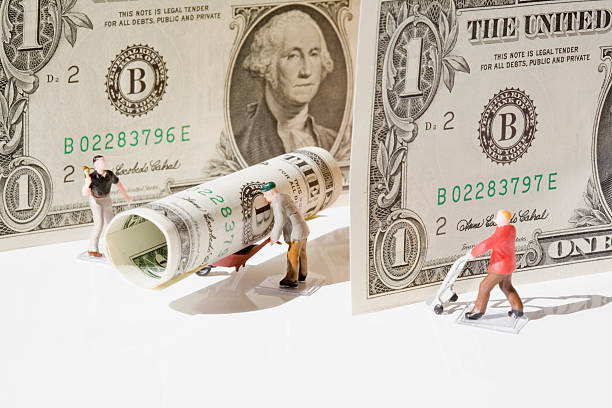
Most middle-class consumers think of an installment loan as the safe, predictable kind of debt. You borrow a set amount, agree to a fixed monthly payment, and pay it off over a known number of months or years. Car loans, student loans, personal loans, and even some medical financing fall into this category. Unlike credit cards, where the balance can swing up and down, an installment loan has a clear end date. That certainty makes it feel manageable. But the reality is that installment loans can quietly push you into the danger zone of being overextended — meaning your total debt obligations have grown so large that your monthly income can no longer comfortably cover them.
The first way an installment loan can stretch you thin is through its sheer size. When you take out a car loan for thirty thousand dollars or a student loan for fifty thousand, the monthly payment might seem affordable at first. Lenders often approve you based on your current income and credit score. They rarely ask whether you have other debts coming due soon, or whether your job is stable. You might be approved for a payment that eats up twenty percent of your take-home pay. That leaves you with less money for housing, groceries, savings, and unexpected expenses. Over time, that twenty percent slice gets harder to swallow if your income doesn’t rise or if other costs go up. You start using credit cards for everyday purchases, and before long you are juggling multiple monthly bills that together exceed what you actually earn.
Another common trap is taking out several installment loans at once. Maybe you financed a car two years ago, then took a personal loan to consolidate credit card debt, and later added a home improvement loan for a new roof. Each one on its own looks reasonable. But combined, the monthly payments can total more than you have left after rent or mortgage. This is a classic sign of being overextended. Your budget becomes fragile. One missed paycheck, one medical bill, or one car repair can send the whole system into chaos. You may start making minimum payments on everything, dipping into savings, or skipping payments entirely. Late fees and higher interest rates then pile on, making the debt even harder to escape.
Installment loans also carry a hidden risk: they often have fixed payment amounts that do not adjust when your financial situation changes. If you lose your job or take a pay cut, the lender still expects the same check every month. Unlike a credit card, where you can at least pay a smaller minimum, an installment loan gives you no flexibility. Some lenders offer deferment or forbearance, but those options can add interest and extend the loan term. Others will simply report you as delinquent if you miss a payment, damaging your credit score and making future borrowing more expensive.
The length of the loan matters too. Long-term installment loans, such as a seven-year car loan or a thirty-year student loan, keep you in debt for years. During that time, life happens. You might need to move, change jobs, or support a family member. The payment stays constant, but your ability to afford it can shrink. Many middle-class consumers end up refinancing these long loans, stretching them out even further to lower the monthly payment. But that only increases the total interest paid and extends the period of being overextended. What started as a manageable $400 payment can turn into a $300 payment that lasts an extra three years, costing you thousands more in interest while keeping your budget tight for longer.
One of the most dangerous aspects of installment loans is that they feel normal. Almost everyone has one. Friends and family have car payments and student loan bills. Social pressure and advertising make you think that owing money for a necessary purchase is just part of adult life. But when that payment consistently leaves you with zero cushion at the end of the month, it is not normal — it is a warning sign. You might justify it by saying, “At least I’m not on credit card debt,” but being overextended on installment loans is just as harmful to your financial health.
So what can you do if you suspect your installment loans are stretching you too thin? First, add up all your fixed monthly debt payments and compare them to your after-tax income. A common rule of thumb is that total debt payments should not exceed 36 percent of your gross income. If you are above that, you are likely overextended. Second, consider whether you can refinance a high-interest loan into a lower rate, but be careful not to extend the term beyond what you originally planned. Third, look at selling the asset behind the loan if it is a car or other depreciating item. That is a hard choice, but it can free up your budget immediately. Finally, if you have multiple installment loans, focus on paying off the smallest one first. That gives you a psychological win and reduces your monthly obligations faster.
Installment loans are a useful tool, but they are not risk-free. When your monthly payments leave no room for savings or unexpected costs, you are overextended. Recognizing that early and taking action can keep a manageable loan from turning into a long-term financial burden.