The journey to repair a credit report while actively repaying debt can feel like navigating a labyrinth. It requires a dual focus: methodically addressing existing obligations while simultaneously cultivating the financial behaviors that credit scoring models reward. This process is not an overnight fix but a strategic marathon built on consistency, knowledge, and patience. The cornerstone of this endeavor is understanding that your credit score is a numerical reflection of your credit report’s data, and improving that data is the ultimate goal.
The first and most critical step is to obtain a clear picture of your starting point. You must access your full credit reports from the three major bureaus—Equifax, Experian, and TransUnion—via AnnualCreditReport.com. Scrutinize each report for errors, such as incorrect account statuses, outdated balances, or fraudulent accounts. Disputing inaccuracies with the credit bureaus can lead to their removal, providing a quick, legitimate boost to your score without paying a single extra dollar toward your debt. This foundational audit ensures you are not wasting effort fighting incorrect information.
With a verified report in hand, your repayment strategy must be deliberate. While making minimum payments on all accounts is essential to avoid further late marks, which severely damage your score, you must go beyond the minimum where possible. Two popular and effective methods are the “debt avalanche” and “debt snowball” approaches. The avalanche method targets debts with the highest interest rates first, saving you money over time. The snowball method focuses on paying off the smallest balances first, creating psychological momentum. Both methods, when executed consistently, lead to a reduced overall credit utilization ratio—a key factor in your score—as balances dwindle. As you pay down revolving debts like credit cards, your utilization (the percentage of your available credit you are using) drops, which can significantly improve your score.
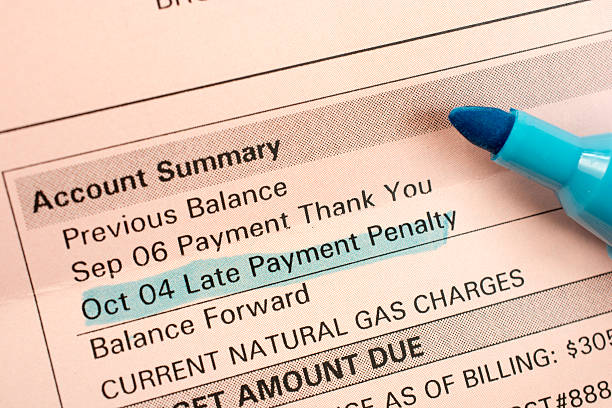
Simultaneously, you must safeguard your payment history, which is the most influential component of your credit score. Setting up automatic payments or calendar reminders for all minimum payments is non-negotiable. Even one late payment during this repair phase can set back your progress considerably. Your goal is to build a long, unbroken chain of “paid as agreed” statuses on your report. This history of reliability demonstrates to future lenders that you are a responsible borrower, even with a past burden of debt.
An often-overlooked tactic is to responsibly manage existing credit lines. Unless an account carries an annual fee or overwhelming temptation, avoid closing old credit cards after paying them off. Closing an account reduces your total available credit, which can instantly increase your overall utilization percentage and hurt your score. Instead, consider using the card for a small, recurring subscription and paying it in full each month to keep it active. Furthermore, while seeking new credit is generally not advised during intense debt repayment, if you have little or no credit variety, a responsibly managed installment loan (like the debt you are already repaying) can contribute positively to your credit mix over time.
Ultimately, improving your credit report while repaying debt is an exercise in financial discipline and foresight. It requires you to balance the urgent need to reduce liabilities with the long-term strategy of building a positive credit history. By combining diligent debt reduction with flawless payment habits, careful credit management, and vigilant report monitoring, you create a powerful synergy. Each on-time payment and each lowered balance is a brick in the foundation of a stronger credit profile. The path demands commitment, but the destination—a clear credit report and financial freedom—is well worth the disciplined journey.