The sight of a credit score ravaged by financial missteps can feel like a life sentence, a permanent stain on one’s financial identity. Whether due to a cascade of missed payments, a foreclosure, bankruptcy, or overwhelming debt, severe credit damage is a daunting reality. Yet, the question of full recovery is not a simple yes or no; it is a nuanced journey defined by time, discipline, and a fundamental shift in financial behavior. While the scars of past mistakes may remain visible on your credit report for years, it is absolutely possible to rebuild a strong, even excellent, credit score—but it requires understanding that recovery is a marathon, not a sprint.
The foundation of this understanding lies in the mechanics of credit scoring itself. Models like FICO and VantageScore weigh factors differently, but all prioritize payment history above all else. A single late payment can cause significant harm, while a pattern of defaults or a bankruptcy represents a catastrophic blow. These severe negative items can remain on your report for seven to ten years, acting as a drag on your score. Therefore, “full recovery” in the sense of erasing the past is impossible until these items naturally age off your report. However, recovery in terms of achieving a high numerical score is a distinct and achievable goal well before that decade passes. The impact of negative information diminishes over time, especially as you actively build a new, positive credit history.
The journey begins with a clear assessment of the damage. Obtaining your credit reports from all three bureaus is the essential first step, allowing you to verify the accuracy of every listed item. Disputing any inaccuracies is a critical, if sometimes overlooked, opportunity for quick improvement. From there, the path forward is built on unwavering consistency. Every bill, from credit cards to utilities, must be paid on time, every time. Setting up automatic payments or calendar reminders can safeguard this crucial habit. Simultaneously, addressing outstanding debts is paramount. For accounts in collections, negotiating pay-for-delete agreements—where the collector removes the negative entry in exchange for payment—can be beneficial, though not all agencies will agree. Even without removal, paying down collections demonstrates responsibility and can improve newer scoring models.
Alongside remedying the past, you must actively construct a new financial narrative. This often involves utilizing tools designed for credit rebuilding, such as secured credit cards. By providing a cash deposit as collateral, you obtain a card that reports positive payment history to the bureaus, effectively proving your reliability anew. Keeping the balance on this card—and any other revolving credit—very low is essential, as high credit utilization is a major scoring factor. The goal is to use a small amount of credit and pay it off in full each month, demonstrating that you can manage debt responsibly without being reliant on it.
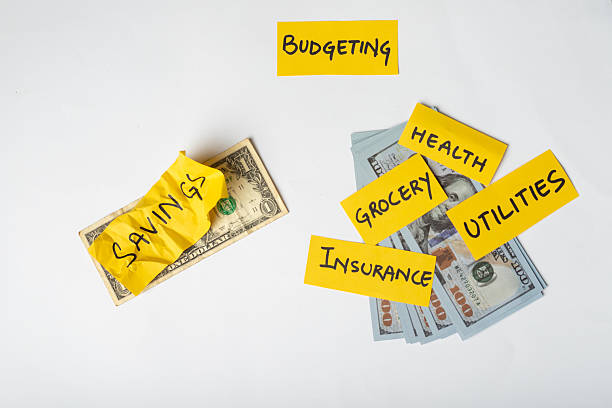
Ultimately, the concept of “full recovery” may need reframing. You are not simply returning to a prior state but building something more resilient. The financial discipline learned through recovery—budgeting, mindful spending, and debt aversion—often results in a more robust financial foundation than before the fall. While the timeline is measured in years, progress can be seen within months as positive patterns take hold. Lenders increasingly weigh recent behavior more heavily than ancient history, so a solid two-year record of perfect payments and low balances can profoundly overshadow a bankruptcy from five years prior.
In conclusion, recovering from severe credit damage is a demanding but entirely possible endeavor. It is a process of patient reconstruction, not instant erasure. By meticulously addressing past debts, instituting flawless financial habits, and strategically using credit-building tools, you can elevate your score to good or excellent ranges long before negative items expire. The journey transforms not just a number, but your entire relationship with money, proving that from financial ruin can come a stronger, more creditworthy future.