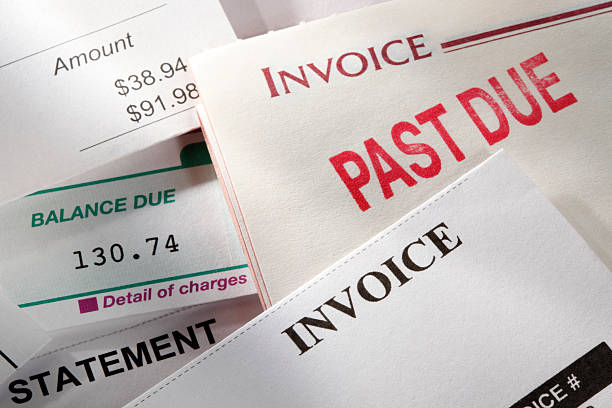
The journey into overextended personal debt often begins with a breakdown in personal budgeting, and the path out is almost invariably paved with its rigorous reinstatement. A budget is far more than a simple tracking of income and expenses; it is a fundamental declaration of priorities and a mirror reflecting the true alignment between one’s values and financial behavior. When debt becomes overwhelming, this document transforms from a planning tool into a crucial instrument of crisis management, revealing the stark mathematics of the situation and charting the first steps toward solvency.
The creation of a budget under the weight of significant debt is a humbling exercise in reality. It forces a meticulous accounting of every dollar, exposing the often-painful disconnect between necessary expenses, discretionary spending, and the immense portion of income being devoured by debt service. This process categorizes spending into non-negotiable obligations and areas for potential sacrifice, making clear that continuing on the same path is mathematically impossible. It moves the problem from an abstract feeling of anxiety into a concrete set of numbers, providing both a clear diagnosis and the foundation for a treatment plan.
This structured approach is essential for breaking the cycle of reactive financial management. Instead of responding to crises with further borrowing, a budget empowers proactive decision-making. It allows an individual to strategically allocate any surplus—however small—directly toward debt reduction, using methods like the debt snowball or avalanche to build momentum. Perhaps more importantly, it can identify opportunities to free up cash by scrutinizing recurring subscriptions, discretionary habits, and fixed costs, creating the necessary breathing room to make meaningful progress.
Ultimately, a personal budget serves as both a map and a compass for navigating out of debt. It provides a realistic timeline for becoming debt-free, replacing feelings of hopelessness with measured progress. Each month adhered to the plan represents a small victory, restoring a sense of control and agency that debt erodes. The discipline required is significant, but the reward is the gradual recalibration of the payment-to-income ratio, the rebuilding of net worth, and the rediscovery of financial peace. In this way, the simple, disciplined act of budgeting becomes the most powerful tool for dismantling the complex structure of overextended debt.