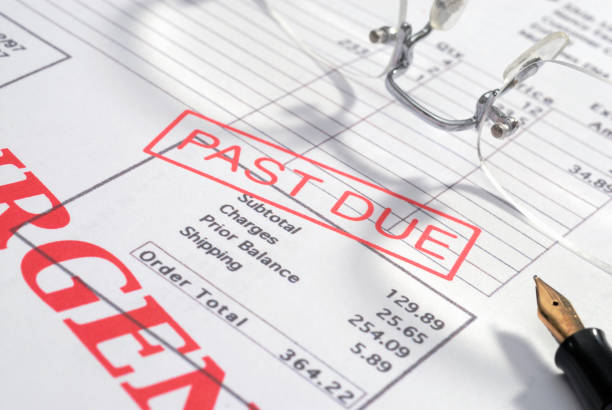
Debt settlement sounds simple. A company says it can talk to your creditors and get them to accept less than you owe. You pay fewer dollars, the debt goes away, and you move on. For a middle-class household with a mortgage, car payment, and kids, that promise can feel like a lifeline. But debt settlement is rarely simple, and it can leave your credit worse than before. Prevention starts with understanding what you are getting into before you sign anything or pay a fee.
The first thing to know is that debt settlement is not the same as debt management or credit counseling. With debt management, you repay what you owe, often with lower interest and one monthly payment. With settlement, you pay less than the full balance. Creditors may report that you settled for less than the full amount. That mark can stay on your credit report for seven years. It can lower your score, make it harder to get a new loan, and raise the interest rate on a car or home loan. For a middle-class family, that can affect refinancing, insurance, and even job applications. So if you can handle the debt through a budget, a hardship plan, or a nonprofit counselor, do that first.
Be careful with companies that promise too much. Some debt settlement firms say they can make debt disappear, stop all collection calls, and fix your credit. They may ask for a large upfront fee. They may tell you to stop paying your creditors and instead send money to a special account. That can be a trap. While you stop paying, late fees, interest, and missed payments pile up. Creditors may sue you. If they win, your wages can be garnished or a legal claim can be placed on your property. Legitimate help does not guarantee results or demand big payments before any debt is settled. Check any company with your state attorney general and the Consumer Financial Protection Bureau. Ask for written details about fees, timeline, and credit impact.
You can often negotiate directly with creditors. Call them before accounts go too far past due. Ask about a hardship program, a lower interest rate, or a payment plan. If you want to settle, get the agreement in writing before you pay. The letter should say the payment satisfies the entire debt and that the remaining balance will not be sold to another collector. Keep copies of every letter and payment. This do-it-yourself approach avoids fees, but it still hurts your credit if you settle for less. The best prevention is to act early, when you still have more options.
Prevention also means preparing before a crisis. Build a small emergency fund if you can. Track your spending. Pay more than the minimum when possible. If you have credit card debt, a balance transfer or a personal loan can lower interest, but only if you stop adding new charges. Call your creditors at the first sign of trouble. Many have temporary hardship plans that reduce payments for a few months. That can keep your account current and protect your credit. A short hardship plan is usually better than a settlement that labels your account as paid for less.
Understand the tax and legal side, too. If a creditor forgives $600 or more of debt, the canceled amount may count as taxable income. You may not owe tax if you can show you were already broke, but you need to check the rules. Also, a settlement is only final if you get a written release. Without it, the creditor may sell the leftover balance to another collector who comes after you later. That is why you should never accept a verbal promise. Get everything in writing.
Know your alternatives. A nonprofit credit counselor can help you review your budget and set up a debt management plan. That plan may lower interest and combine payments, but you still repay the full balance. Bankruptcy is a bigger step. It can wipe out many debts and stop collection actions, but it has a long impact on your credit. For some families, bankruptcy is more honest and safer than years of settlement payments and collection calls. Talk to a nonprofit counselor or a bankruptcy attorney before choosing.
After any settlement, protect your credit. Check your reports for errors. Make sure settled accounts show a zero balance and the correct status. Rebuild with on-time payments, low balances, and a secured card if needed. Keep old accounts open if they have no fee. Time and good habits can help your score recover.
The best prevention strategy is control. Do not let a salesperson rush you. Gather your statements, list your debts, and compare options. Ask questions. If a deal sounds too good, walk away. Debt settlement can be a last resort, but it should never be a first reaction. Your credit is a financial tool, and protecting it starts before you sign.