Missing a credit card due date by even one day might seem like a small mistake. You pay the bill the next morning, and life goes on. But behind the scenes, that one late payment can set off a chain reaction that costs you hundreds or even thousands of dollars over the next year. Understanding this domino effect is crucial for anyone trying to manage their credit wisely.
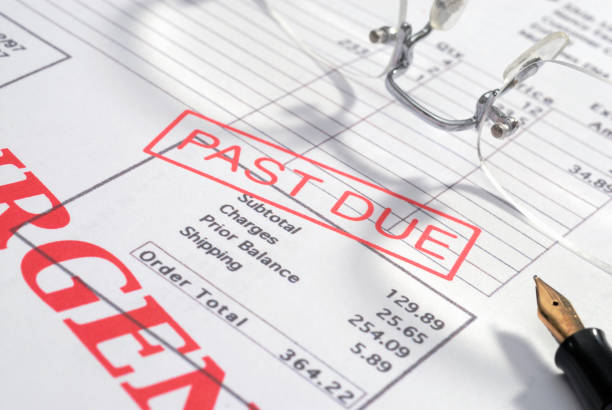
The first and most obvious consequence is a late fee. Most credit card companies charge between twenty-five and forty dollars for a missed payment. If you are a few days late, you pay that fee. That is annoying but manageable. The real damage, however, happens next. Many credit card agreements include a penalty APR, or annual percentage rate. If you are even one payment late, the issuer can raise your interest rate to the penalty level, which is often twenty-nine percent or higher. This rate applies not just to new purchases but to your entire existing balance. That means the interest on the money you already spent suddenly triples or quadruples overnight. On a balance of five thousand dollars, that can mean an extra hundred dollars or more in interest every month.
The penalty APR typically lasts for six months or longer. During that time, every dollar you carry on the card is costing you far more than before. If you normally pay off your balance in full, you might think the penalty rate does not matter. But consider this: if you ever need to carry a balance due to an emergency, that high rate will punish you. And even if you pay in full, the mere existence of the late payment stays on your credit report for seven years.
That leads to the second major consequence: the hit to your credit score. Payment history is the single biggest factor in your credit score, accounting for about thirty-five percent of the total. A single late payment can drop your score by fifty to one hundred points, depending on where it started. If your score was excellent, say 780, a drop to 680 moves you from the top tier to the middle. That change affects more than just your pride. Lenders use credit scores to decide not only whether to approve you but also what interest rate to offer. A lower score means higher rates on mortgages, car loans, and even personal loans. For a thirty-year mortgage, a one-percentage-point rate difference can cost you tens of thousands of dollars over the life of the loan.
Insurance companies also check credit scores. A lower score can raise your auto or homeowners insurance premiums by ten to twenty percent. Landlords check credit when you rent an apartment. A late payment can mean paying a higher security deposit or being denied altogether. Cell phone companies and utility providers may require deposits if your credit score dips. The cascading effect touches nearly every financial aspect of your life.
Moreover, the late payment can trigger something called a universal default clause in other credit accounts. Some credit card agreements, especially those with store cards or certain bank cards, state that if you are late on any other account, they can raise your rate too. This means missing one payment on your Visa could cause your department store card to jump to a penalty rate, even though that store card was never late. It is a ripple effect that spreads through your entire credit profile.
What can you do to stop this cascade? The simplest solution is to set up automatic payments. Most banks and credit card issuers allow you to schedule at least the minimum payment to be withdrawn from your checking account on the due date. This eliminates the risk of forgetting. However, be careful: if your checking account runs low, an auto-pay can still fail and cause a missed payment. So check your account balance regularly and keep a buffer.
Another strategy is to set up calendar reminders a few days before each due date. Even if you pay manually, a visual alert can prevent the slip. Some people link their credit card bills to a budgeting app that sends push notifications. The key is to make on-time payment a nonnegotiable habit, like brushing your teeth.
If you do miss a payment, act immediately. Call the credit card company and ask for a goodwill adjustment. Many issuers will waive the late fee and even remove the late payment from your credit report if it is your first offense. You must be polite and persistent. Some companies have a policy of forgiving one late payment per year. It never hurts to ask. But do not count on it. The safest approach is to never be late at all.
A single late payment is not just a minor hiccup. It is a financial event that can raise your interest rates, damage your credit score, increase your insurance costs, and limit your borrowing options for years. For the middle-class consumer managing a household budget, the cost of that one mistake far outweighs any convenience gained by waiting an extra day to pay. Protect your credit by treating every due date with the same seriousness you would a rent payment or a mortgage. Your future self will thank you.