The specter of debt looms over many households, a constant presence in a world of mortgages, student loans, and credit cards. While common, its persistence begs a critical question: does having debt, in and of itself, constitute an emergency? The nuanced answer is that not all debt is an emergency, but all debt carries the potential to become one. Distinguishing between manageable debt and debt that signals a financial crisis is essential for both financial health and peace of mind.
Firstly, it is crucial to recognize that not all debt is created equal. Economists often categorize debt as “good” or “bad,“ not from a moral standpoint, but based on its purpose and terms. Good debt is typically an investment that grows in value or generates long-term income, such as a reasonable mortgage for a home that may appreciate or student loans for a degree that boosts earning potential. These debts, when managed with a solid plan and affordable payments, are strategic tools. They do not represent an emergency; they represent a calculated financial step. Similarly, an auto loan for a reliable vehicle needed for work, or a small business loan, can be part of a healthy financial portfolio if the payments are comfortably budgeted.
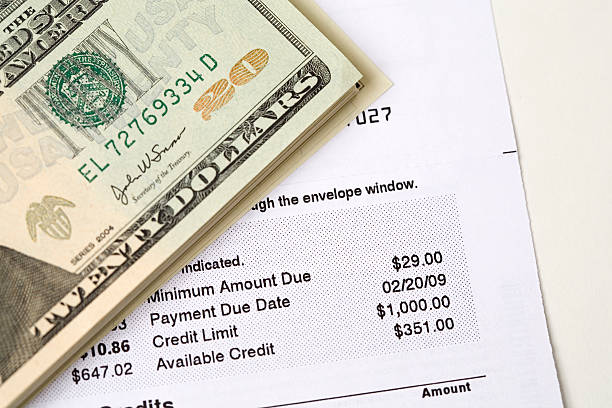
However, debt transforms into an emergency when it exhibits certain alarming characteristics. The primary indicator is a loss of control. When minimum payments become a struggle, when you must use credit cards to cover basic necessities like groceries or utilities because your cash is depleted, or when you find yourself skipping one debt payment to service another, you have entered an emergency state. This is often accompanied by high-interest consumer debt from credit cards or payday loans, which compounds ferociously and traps borrowers in a cycle. When debt payments consume a disproportionate amount of your income, leaving no room for savings or retirement contributions, it is no longer a tool but a threat to your financial future. The constant stress and anxiety about money, the collection calls, and the fear of insolvency are clear emotional signals that the situation is critical.
Another key factor is the absence of a safety net. If carrying debt means you have no emergency savings, then the debt itself becomes a multiplier for any unforeseen crisis. A single job loss, medical bill, or major car repair can force you to take on even more high-interest debt, spiraling the problem. In this context, the existing debt may not be the initial emergency, but it creates a precarious fragility where any small shock can lead to disaster. Therefore, high-interest debt combined with zero savings is a dual emergency that requires immediate attention.
Addressing debt emergencies demands a shift from a passive to an active stance. This begins with a stark assessment: list all debts, interest rates, and minimum payments. From there, strategies like the debt avalanche or snowball method can provide a structured path forward. Cutting discretionary spending, seeking lower interest rates through balance transfers or debt consolidation loans, and even consulting a non-profit credit counselor are proactive steps. The goal is to move from a state of reactive panic to one of controlled, strategic repayment.
Ultimately, having debt is not an automatic emergency, but it is a serious financial condition that requires vigilant management. The line is crossed when debt controls you, rather than you controlling it. When payments threaten your ability to meet basic needs, when it devours your income and strangles your savings, and when it causes unrelenting stress, it has unequivocally become an emergency. Recognizing these warning signs early is the first and most crucial step in reclaiming financial stability and turning a potential crisis into a manageable challenge. In personal finance, vigilance is the price of security, and understanding the true nature of your debt is its foundation.