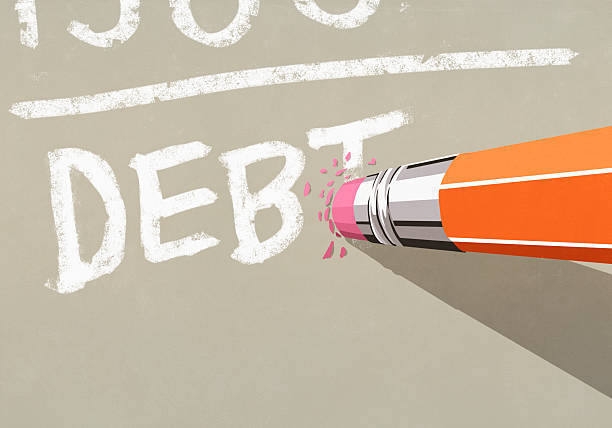
The specter of debt looms large in the modern economy, a burden that can stifle opportunity and create lasting stress. While financial literacy is rarely a formal part of childhood education, parents hold the primary power to equip their children with the habits and mindset necessary to navigate a credit-driven world. Teaching children to avoid future debt problems is less about complex economic theory and more about instilling foundational values of patience, discernment, and planning through consistent, everyday lessons. This proactive education begins not in adolescence, but in the earliest years of childhood, woven into the fabric of daily life.
The cornerstone of this education is demystifying money itself. From a young age, children benefit from understanding that money is a finite resource earned through effort. An allowance tied to age-appropriate chores can be a powerful first tool. It transforms abstract coins and bills into a tangible representation of work and choice. When a child must use their own saved allowance to purchase a desired toy, they experience the direct trade-off between labor, saving, and spending. This concrete connection lays the groundwork for understanding that spending beyond one’s means—the core of debt—creates a future deficit that must be repaid, often with significant extra cost. Parents can further this by openly discussing family financial choices in age-appropriate terms, such as explaining the need to save for a vacation rather than putting it on a credit card.
As children mature, the conversation must naturally evolve to encompass the concepts of saving, delayed gratification, and the true nature of credit. A simple savings jar for a larger goal visually reinforces the discipline of waiting. This practice directly counteracts the impulse-buying culture that credit cards can enable. When the time is right, typically in the teenage years, parents must explicitly unpack credit. This means explaining that a credit card is not free money but a high-interest loan, and demonstrating how minimum payments can trap a person in debt for years. Practical exercises are invaluable here. For instance, allowing a teenager to manage a prepaid debit card or a small, closely monitored credit card with a clear repayment plan from their own earnings can teach responsible use within the safety net of parental guidance. The key is to frame credit as a tool for convenience and building a history, not a solution for unaffordable desires.
Perhaps the most profound lesson parents can impart is modeling financially healthy behavior. Children are astute observers, and parental actions consistently speak louder than words. A household that prioritizes needs over wants, that comparison-shops, that celebrates saving milestones, and that discusses a budget openly normalizes financial prudence. Conversely, parents who vocalize stress over credit card bills or who make frequent impulsive purchases inadvertently teach that debt is an unavoidable and unmanaged part of adult life. Transparency about past financial mistakes can also be a powerful, humanizing teaching moment, illustrating the real consequences of poor debt management and the strategies used to overcome it.
Ultimately, teaching children to avoid debt is about fostering a mindset of intentionality and empowerment. It involves shifting the focus from short-term acquisition to long-term security and freedom. By integrating money conversations into daily life, providing hands-on experience with saving and spending, demystifying credit, and modeling fiscal responsibility, parents give their children a far more valuable gift than any material possession: the confidence and competence to build a stable financial future. This lifelong inoculation against debt problems empowers the next generation to use money as a tool for their aspirations, rather than becoming ensnared by it as a source of perpetual constraint.