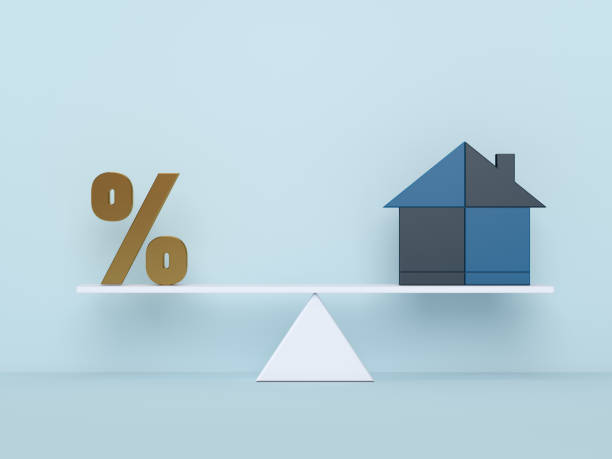
If you are planning to buy a home, your debt-to-limit ratio is one of the most important numbers lenders will check. Also called credit utilization, this ratio compares how much you currently owe on revolving accounts like credit cards to the total amount of credit available to you. For example, if you have a combined credit limit of $20,000 across all your cards and you owe $8,000, your debt-to-limit ratio is 40 percent. While this number might seem like just another piece of financial trivia, it can directly determine whether you get approved for a mortgage and what interest rate you pay.
Lenders use your debt-to-limit ratio as a quick snapshot of how responsibly you handle borrowed money. A low ratio suggests you do not rely too heavily on credit and are likely to make your mortgage payments on time. A high ratio signals that you are stretched thin and could be a risk if your finances take a small hit. Most mortgage lenders want to see a debt-to-limit ratio below 30 percent. Some will accept up to 40 or 50 percent, but anything above that raises red flags. If your ratio is 80 or 90 percent, you will almost certainly be turned down for a conventional mortgage or be offered terms that make the loan much more expensive.
The reason this matters so much for a mortgage is that buying a home is a large, long-term commitment. Lenders need to be confident you can handle the new monthly payment on top of your existing debts. Your debt-to-limit ratio is part of a broader picture that includes your credit score, your income, and your overall debt-to-income ratio. But unlike your credit score, which takes time to change, your debt-to-limit ratio can improve quickly. That makes it an area you can actively manage in the months before you apply for a mortgage.
One common mistake people make is closing old credit card accounts right before applying for a home loan. Closing an account reduces your total available credit, which often pushes your debt-to-limit ratio higher even if you have not spent any more money. For instance, if you have three cards each with a $5,000 limit and a total balance of $3,000, your ratio is 20 percent. If you close one card, your available credit drops to $10,000 while your balance stays at $3,000, making your ratio 30 percent. That sudden jump can move you from a safe zone into a riskier one. Unless a card has an annual fee that you cannot justify, it is usually better to keep the account open and simply stop using it.
Another practical step is to pay down your credit card balances rather than just making minimum payments. If you have the cash on hand, paying off a card entirely can drop your ratio dramatically. Even paying a few hundred extra dollars each month can make a meaningful difference over three to six months. You can also request a credit limit increase on a card you use responsibly. A higher limit without adding new debt lowers your ratio automatically. Just be careful not to spend the extra room, because that defeats the purpose.
If your ratio is already high and you need a mortgage soon, you have a few options. You could ask a family member to add you as an authorized user on a credit card with a long history of low balances. That account’s high limit and low utilization will be added to your credit report, pulling your overall ratio down. You should also avoid applying for new credit cards in the months before your mortgage application. Each new inquiry can temporarily lower your score, and a new account reduces the average age of your credit history, which lenders also consider.
Finally, remember that your debt-to-limit ratio is not just about getting approved. It also affects the interest rate you qualify for. A lower ratio can mean a rate that is a quarter or half a percent less, which saves you thousands of dollars over the life of a 30-year loan. So even if you think you will be approved, keeping your ratio below 30 percent is a smart financial move. Take a look at your credit card statements today. Calculate your current ratio and make a plan to bring it down. Your future self will thank you when you walk into that closing meeting with confidence and a mortgage that fits your budget.