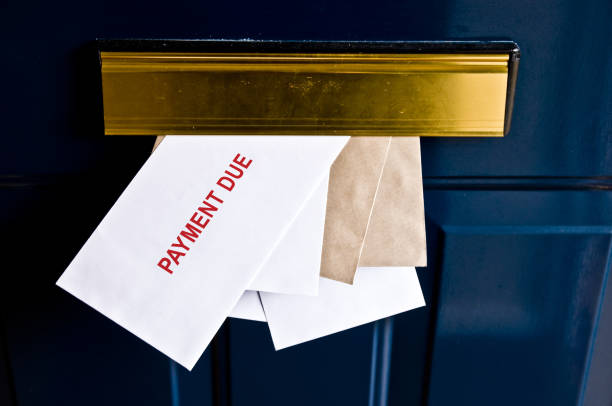
Missing a credit card payment might seem like a small mistake. You forget, you pay a few days later, and life goes on. But that single slip-up can trigger a chain reaction that costs you far more than the late fee itself. Understanding the full scope of the damage is the first step toward making on-time payments a non-negotiable habit.
The most immediate hit is to your credit score. Credit bureaus do not care if you pay a day late or thirty days late. Once the payment is more than thirty days past due, your creditor reports it to the three major credit bureaus. That negative mark can knock fifty to one hundred points off your credit score, sometimes more depending on where you started. A person with a high score around 780 might drop to the low 700s. Someone hovering near 680 could fall into the 600s. And that mark stays on your credit report for seven years, though its sting lessens over time as other good habits pile up.
Beyond the score drop comes the financial sting of penalty fees and interest rate hikes. Most credit card companies charge a late fee between twenty-five and forty dollars for the first offense. That is annoying but manageable. The real damage comes from the penalty annual percentage rate, or APR. Once you are late, the card issuer can jack up your interest rate to twenty-nine or even thirty percent. If you carry a balance, that extra interest compounds every month. Consider a typical scenario: you have a five-thousand-dollar balance on a card with a standard fifteen percent APR. A single late payment triggers the penalty APR of twenty-nine percent. Your monthly interest jumps from about sixty-two dollars to roughly one hundred and twenty dollars. That is an extra seven hundred dollars a year in interest alone on the same balance. And if you keep using the card, the gap widens.
What many consumers do not realize is that a late payment on one card can affect your other accounts. Many credit card agreements include a clause called universal default. That means if you are late on any credit account, even a different card or a utility bill, your other card issuers can raise your interest rate, too. Suddenly a single mistake costs you higher rates across the board. Lenders see the late payment on your credit report and treat you as a higher risk, so even loans you already have may become more expensive.
The domino effect continues when you go to borrow money for a big purchase. Suppose you need a car loan or a mortgage. A credit score that dropped from 760 to 700 because of one late payment will likely increase your mortgage interest rate by about half a percentage point. On a three-hundred-thousand-dollar home loan, that half point adds up to roughly fifty dollars more per month, or eighteen thousand dollars more over a thirty-year term. That is the hidden cost of being late once. You are paying tens of thousands of extra dollars in interest because you missed a single due date years earlier.
There is also a stress factor that compounds the financial damage. When you miss a payment, you often get a nagging reminder of the mistake. You may try to juggle other bills to catch up, or avoid checking your account out of embarrassment. That anxiety can lead to more missed payments, creating a downward spiral. Late fees pile up, balances grow, and the credit score keeps dropping. People who were just a little behind can quickly find themselves in serious debt trouble.
The good news is that this is entirely avoidable with a few simple habits. Set up automatic payments for at least the minimum amount due on every credit card and loan. That way, even if you forget, the system covers you. Also, use your phone’s calendar or a budgeting app to add reminders a few days before each due date. If you do slip up and realize you are a day or two late, pay as soon as possible and call your creditor. Many companies will waive the late fee if it is your first offense, especially if you have been a good customer. Some will even ask the credit bureaus to remove the late mark if you act quickly and politely. There is no guarantee, but it never hurts to ask.
At its core, a credit score is a measure of reliability. Lenders want to know if you pay back what you owe on time. One late payment whispers to them that you might not be trustworthy. That whisper can cost you promotions on future cards, better loan rates, and even the ability to rent an apartment or get a cell phone plan without a deposit. On-time payments are the foundation of everything else in your credit life. Keeping them consistent is the single most powerful thing you can do to protect your financial future.