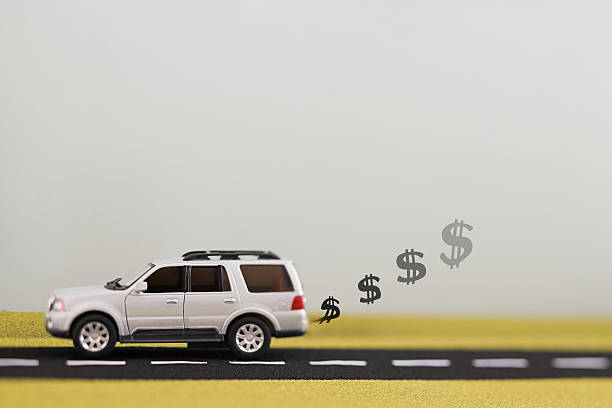
The modern automobile, for many, is a non-negotiable necessity for commuting, family logistics, and economic participation. Yet, the pathway to acquiring one, often through an auto loan, has become a significant vector for financial overextension, a state where debt obligations overwhelm an individual’s ability to pay comfortably. This overextension does not occur in a single moment but through a confluence of market forces, psychological factors, and structural realities that transform a manageable loan into a burdensome anchor on personal finances.
The journey toward overextension often begins with the rising cost of vehicles and the extension of loan terms. As sticker prices for new and used cars have soared, lenders have offered longer repayment periods—now commonly stretching to 72, 84, or even 96 months—to keep monthly payments deceptively affordable. This creates an immediate illusion of manageability, masking the true cost. A borrower focuses on a $500 monthly payment rather than the $40,000 principal plus interest accruing over seven years. This extended term, however, ensures the borrower remains in a state of deep debt for a prolonged period, with minimal equity build-up due to front-loaded interest and rapid depreciation. They become “upside-down”—owing more than the car’s value—for most of the loan term, trapping them in the debt and eliminating flexibility.
Compounding this structural trap is the ease of financing and the temptation to borrow beyond one’s means. Aggressive marketing by dealerships and lenders emphasizes payment over price, encouraging consumers to focus on what fits their monthly budget rather than the total cost of ownership. Furthermore, the practice of rolling negative equity from a previous car loan into a new one creates a dangerous debt spiral. To get out of an upside-down loan, a borrower takes on a larger loan for the next vehicle, burying past financial mistakes deeper into the new principal. Each transaction increases the total debt load, pushing the borrower further into a cycle where their auto debt grows faster than their asset’s value or their income.
The psychological impact of auto debt also fosters overextension. A car is a highly emotional and publicly visible purchase, tied to identity, status, and perceived success. This can lead to “payment creep,“ where individuals justify a higher monthly payment for a more prestigious model, stretching their budget to its theoretical limit. They fail to account for the full spectrum of associated costs: insurance premiums that rise with the car’s value, maintenance for complex features, and volatile fuel costs. When these ancillary expenses collide with the rigid, monthly loan payment, the borrower’s disposable income evaporates, leaving no buffer for emergencies.
Ultimately, this combination leads to a precarious financial position where auto debt consumes a disproportionate share of income. Financial advisors traditionally recommended that transportation costs not exceed 10-15% of take-home pay, but many borrowers now devote 20% or more solely to their loan payment. This high fixed cost reduces resilience. An unexpected medical bill, job loss, or home repair forces difficult choices: default on the auto loan, sacrifice other essential expenses, or take on additional high-interest credit card debt to cover the shortfall. The car, initially a tool for economic mobility, becomes the primary source of financial fragility.
In conclusion, auto loan debt leads to overextension through a perfect storm of elongated loan terms that promote negative equity, lending practices that facilitate borrowing beyond prudent limits, and behavioral tendencies that prioritize wants over long-term financial health. The result is a significant portion of the population locked into a cycle of debt for a rapidly depreciating asset, leaving them vulnerable to the slightest economic shock. Recognizing this dynamic is the first step toward making more informed, sustainable transportation decisions that prioritize financial stability over mere monthly payment affordability.