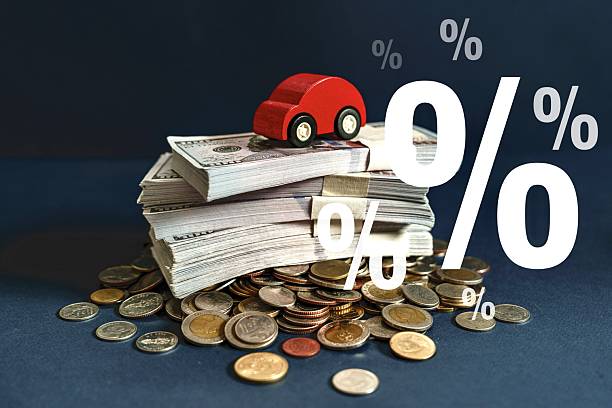
When you need cash fast and your credit isn’t perfect, an auto title loan can look like a lifeline. You hand over your car title, get a few hundred or a few thousand dollars, and keep driving. But what lenders don’t advertise is the fine print that can turn that short-term fix into a long-term financial nightmare. Auto title loans are one of the most common forms of predatory lending targeting middle-class households, and understanding how they work is the first step to avoiding the trap.
At its core, an auto title loan is a secured loan. You give the lender the title to your car, and they give you money—usually between 25 and 50 percent of the car’s value. The loan is due in 30 days, but here’s the kicker: the interest rates are astronomical. Annual percentage rates often range from 200 to 300 percent, and sometimes even higher. That means if you borrow $1,000, you might owe $1,250 or more in just one month. If you can’t pay the full amount, the lender typically allows you to “roll over” the loan—pay only the interest, extend the due date, and keep the same principal. Each time you roll over, you pay another round of high fees and interest without reducing what you actually owe. After a few months, you could end up paying thousands of dollars on a small initial loan, while still owing the original amount.
Middle-class consumers are especially vulnerable to this cycle. You might have a steady income and a decent car, but unexpected expenses—a medical bill, a home repair, or a job loss—can leave you short. Banks and credit unions often won’t lend small amounts quickly to people with less-than-perfect credit. So you turn to a title lender who doesn’t run a credit check. The process is fast: you show the car, sign some papers, and get cash in minutes. But the speed masks the danger. The lender is not your friend; they are betting that you will struggle to repay on time, because that’s how they make their real profit.
Why is this considered predatory? Predatory lending means any practice that imposes unfair or abusive terms on a borrower. With auto title loans, the lender knows that many borrowers cannot afford to pay back the full loan plus interest in 30 days. They rely on repeat rollovers. They also have a powerful weapon: your car. If you default, the lender can repossess your vehicle. For a middle-class family, losing the car can mean losing the ability to get to work, take kids to school, or buy groceries. The lender knows this, which is why they demand your car title as collateral. They are not just lending money; they are holding your mobility hostage.
There are also hidden practices that make these loans even worse. Some lenders require you to install a tracking device or a starter-interrupt device on your car. If you miss a payment, they can disable your car remotely—even while you’re driving, which is dangerous. Others charge exorbitant late fees, origination fees, and lien fees that add hundreds of dollars to the debt. And because the loan is short-term, the lender does not report on-time payments to credit bureaus, so there is no benefit to your credit score. But they do report defaults and repossessions, which can ruin your credit for years.
What can a middle-class consumer do to avoid this trap? First, remember that a title loan is never the best option. If you need emergency cash, explore alternatives even if they seem inconvenient. Ask your employer for a payroll advance. Call local credit unions about small personal loans or credit-builder loans. Use a credit card for a cash advance—the interest rate, while high, will be far lower than a title loan’s. Check if your utility company offers payment extensions or hardship programs. You can also sell unused belongings, pick up a quick gig, or ask family for a short-term loan. None of these are as fast as walking into a title loan store, but they won’t put your car and financial future at risk.
If you are already trapped in a title loan, do not roll it over repeatedly. That only increases your losses. Instead, contact a nonprofit credit counseling agency. They can help you negotiate with the lender or find a debt management plan. Some states have laws that cap interest rates on title loans or require lenders to offer repayment plans. Know your local consumer protection laws. You may also be able to refinance the loan with a credit union or a friend at a much lower rate.
Predatory lending like auto title loans preys on urgency and desperation. It targets people who think they have no other choice. But middle-class consumers do have choices—they just require a bit more planning and willingness to ask for help. The true cost of a title loan isn’t just the money; it’s the stress, the risk to your car, and the long-term damage to your financial health. Recognizing the warning signs and seeking safer alternatives can keep you from becoming another statistic.