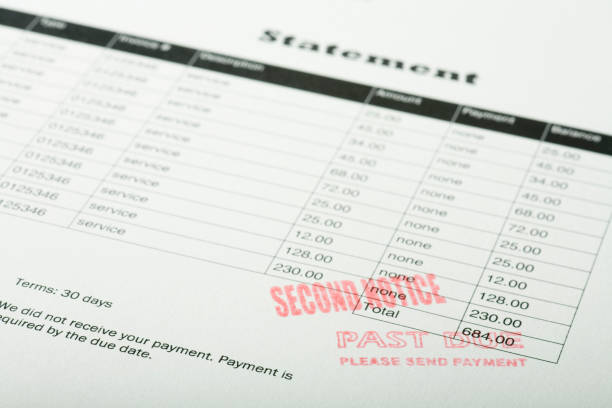
Financial illiteracy is not about being unintelligent. Many middle-class consumers have college degrees, steady jobs, and good intentions. They still make credit decisions without understanding the rules of the game. That gap between confidence and knowledge is where trouble starts. Credit card companies profit when customers pay interest, and the system is designed around terms that reward people who read the fine print and punish people who do not. For a middle-class household, those mistakes can be expensive.
One of the most common problems is misunderstanding minimum payments. A statement might show a minimum payment of thirty-five dollars on a five-thousand-dollar balance. Paying that amount feels responsible because the bill is on time. But the rest of the balance keeps collecting interest, often at a rate above twenty percent. At that pace, the debt can last for years. Someone who does not understand how interest works may think they are making progress when they are mostly covering interest and barely touching the original amount. The fix is simple in theory: pay more than the minimum whenever possible, and send extra money to the balance with the highest interest rate. In practice, it requires knowing why the minimum is a trap.
Another area is credit scores. Many consumers know a score exists, but not what moves it. They may close an old credit card because they think having fewer cards is safer. That can hurt because closing an account can reduce the average age of credit history and lower available credit, which raises credit utilization. They may open several store cards for discounts without realizing each application can create a small dip in the score. They may pay a bill a few days late because they believe there is always a grace period. There is not always one, and late payments can stay on a credit report for years. Financial illiteracy turns small, ordinary choices into long-term damage.
Credit utilization is another concept that confuses people. Utilization is the amount of revolving credit you use compared with your total limit. If you have a ten-thousand-dollar limit and charge four thousand dollars, your utilization is forty percent. Many experts suggest keeping it below thirty percent, and lower is usually better. A middle-class consumer might pay every bill on time and still have a mediocre score because the balances are high relative to the limits. This is frustrating, but it is also fixable. Paying down balances before the statement closing date, spreading charges across cards, or asking for a higher limit without taking on new debt can all help. The key is knowing that utilization matters at all.
Financial illiteracy also makes people vulnerable to products that look helpful but are not. Buy-now-pay-later plans can feel like budgeting tools, but missed payments may lead to fees or collections. Payday loans can carry costs that are hard to escape. Debt settlement companies may promise to make debt disappear, but they often charge high fees and damage credit. A consumer who understands basic credit math can ask better questions. What is the interest rate? Are there fees? What happens if I pay late? These questions are not advanced finance. They are common sense, but only if someone has been taught to ask them.
The good news is that financial literacy can be learned at any age. It starts with a simple budget that shows income and expenses. It continues with checking credit reports for errors and paying every bill on time. Automating payments can prevent late fees. Building a small emergency fund can reduce the need to rely on credit for surprises. Reading statements instead of tossing them can reveal subscriptions, higher rates, or fees that quietly drain a budget. Credit counseling from a nonprofit can also provide low-cost help without shame.
Middle-class consumers do not need to become financial experts. They need to understand the few rules that control credit. Interest grows when debt is left alone. Payment history and utilization drive credit scores. Promises of easy money usually come with costs. When financial illiteracy goes unaddressed, it becomes a contributing factor to debt, stress, and lost opportunities. When it is replaced with basic knowledge, credit becomes a tool instead of a trap.