Many middle-class consumers believe that as long as they pay their credit card bill on time, they are doing just fine. And paying on time is certainly better than missing a payment. But there is a quiet trap that millions of people fall into without realizing it: making only the minimum payment each month. At first glance, that small number looks manageable. You pay a little, you keep your card active, and you avoid late fees. But over time, that habit is one of the fastest ways to slip into overextension—a state where your debt grows faster than your ability to pay it off.
To understand why minimum payments are dangerous, you need to see how credit card interest actually works. Let us say you have a balance of five thousand dollars on a card with an annual percentage rate of eighteen percent. Your minimum payment might be around one hundred dollars. That sounds reasonable. But of that one hundred dollars, roughly seventy-five dollars goes straight to interest. Only about twenty-five dollars actually reduces the balance you owe. Next month, the interest is calculated on a slightly smaller balance, so you might pay seventy-four dollars in interest and twenty-six dollars toward the principal. At that rate, it will take you more than twenty years to pay off that five thousand dollars, and you will end up paying well over ten thousand dollars in interest alone. That is not managing credit. That is letting credit manage you.
The psychology behind minimum payments is also part of the problem. When you see a low required amount, your brain interprets it as affordable. It allows you to keep spending, because you still have available credit. But that available credit is an illusion. Every new purchase adds to the balance, and the interest clock keeps ticking. Over time, your debt load creeps up. You start to use a larger portion of your credit limit, which hurts your credit utilization ratio—a major factor in your credit score. A high utilization ratio signals to lenders that you may be overextended, even if you have never missed a payment. As your score drops, you may find it harder to get a car loan, a mortgage, or even a rental lease. And if an emergency hits—a medical bill, a car repair, a job loss—you have no room to borrow. You are already maxed out.
Overextension often begins subtly. Maybe you use your card for a big expense like a vacation or a home repair, planning to pay it off quickly. But then something else comes up. You make the minimum payment for a few months, telling yourself you will catch up later. Meanwhile, the interest piles on. Before long, that vacation that cost two thousand dollars has turned into three thousand dollars of debt, and you are still paying it off two years later. This is the snowball effect. Each month you choose the minimum, you are actually deciding to stay in debt longer and pay more for everything you bought.
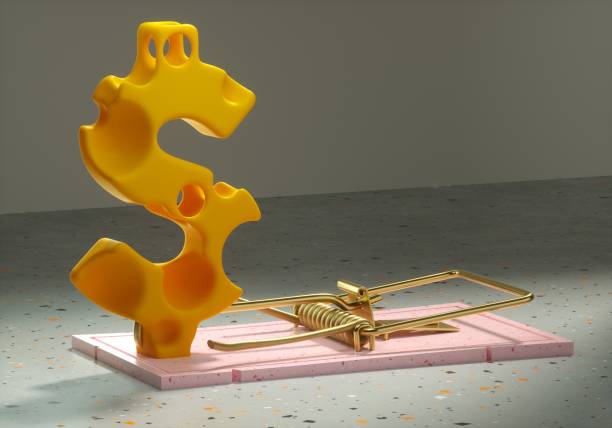
The credit card companies know this. Minimum payments are designed to keep you in a cycle of debt. The longer you take to pay off your balance, the more interest they collect. That is why the required minimum is set so low. It is not a favor to you. It is a profit strategy. The only way to break free is to stop thinking of the minimum as your goal. Instead, pay as much above the minimum as you can afford every single month. Even an extra twenty dollars makes a difference. If you can, pay off the full statement balance every month. That is the only way to avoid interest entirely and keep your credit card as a tool rather than a trap.
Another common mistake is using multiple cards and making minimum payments on each one. This spreads your debt thin and makes it easy to lose track of total owed. Before you know it, you have five cards with five minimum payments, and your monthly obligations eat up a significant chunk of your income. That is a clear sign of overextension. If you find yourself in this situation, stop using the cards. Focus on paying off the smallest balance first while making minimum payments on the others. Once that card is cleared, move to the next. This method, often called the debt snowball, gives you small victories that keep you motivated.
Ultimately, managing credit is about staying in control. Minimum payments are not a responsible strategy; they are a warning sign that your debt is growing beyond your means. If you are regularly making only the minimum, take a hard look at your spending and your budget. Ask yourself: Am I living within my income? Do I have an emergency fund? Can I pay off my credit card balance in full within a few months? If the answer to any of those questions is no, you may already be in overextension territory. The good news is that with awareness and a plan, you can dig out. Start by paying more than the minimum today. Every extra dollar you send is a dollar that stops earning interest for the bank and starts building your financial freedom.