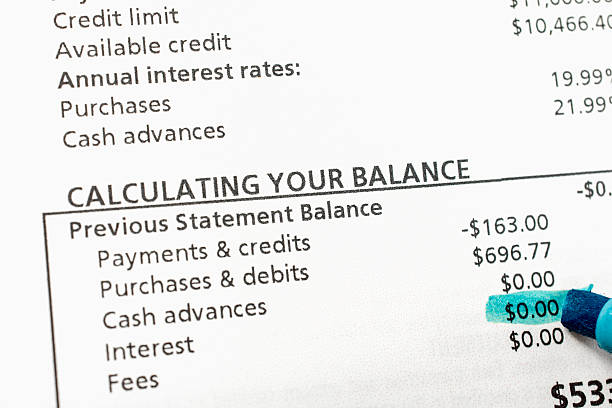
In the landscape of personal finance, few documents hold as much power and significance as your credit report. It is the foundational record upon which lenders, landlords, and even some employers base critical decisions about your trustworthiness. Given its importance, a common and prudent question arises: how often should one check this vital financial snapshot? The unequivocal answer, supported by financial experts and consumer protection agencies, is that you should review your credit reports from all three major bureaus—Equifax, Experian, and TransUnion—at least once per year. However, for optimal financial vigilance and security, a more frequent, staggered approach is highly advisable.
The annual check serves as a fundamental minimum, a baseline of financial hygiene that every consumer should practice. This frequency is conveniently enshrined in federal law through the Fair Credit Reporting Act (FCRA), which guarantees everyone free access to their reports from each bureau every twelve months via AnnualCreditReport.com. This annual review allows you to verify the accuracy of the information, ensuring that accounts, balances, and personal details are correctly reported. Errors are not uncommon, and they can range from simple misspellings of your name to more damaging inaccuracies like accounts that do not belong to you or outdated negative items that should have been removed. An annual check provides a systematic opportunity to catch and dispute these mistakes before they can lower your credit score and hinder your financial opportunities.
Yet, in today’s environment of frequent data breaches and sophisticated identity theft, an annual review may be insufficient as a standalone strategy. Identity thieves can open accounts in your name rapidly, and the damage can compound over many months if undetected. Therefore, a more proactive tactic is to space out your free reports throughout the year. By requesting one report from a different bureau every four months, you effectively create a rotating system of monitoring. For instance, you might check your Equifax report in January, your Experian report in May, and your TransUnion report in September. This staggered approach provides more regular insight into your credit activity without cost, enabling you to spot suspicious or fraudulent activity much sooner than a single annual check would allow.
Furthermore, there are specific life circumstances that should prompt an immediate and unscheduled review of your credit report. If you are denied credit, insurance, or employment based on your credit, you are entitled to a free report from the bureau used in that decision. Beyond that entitlement, it is wise to check your reports proactively before major financial endeavors, such as applying for a mortgage or an auto loan, to ensure there are no surprises that could derail your application or affect your offered interest rates. Other key moments that warrant a check include after you receive a notice of a data breach that may have compromised your personal information, if you suspect you are a victim of fraud, or as part of recovering from identity theft. In these scenarios, frequent monitoring, potentially even monthly, may be necessary until the situation is fully resolved.
Ultimately, viewing your credit report as a static annual obligation is a missed opportunity for active financial management. Treating it as a dynamic document to be reviewed regularly transforms it from a mere report card into a powerful tool for protection and planning. The disciplined habit of checking your reports multiple times a year fosters a deeper understanding of your financial behaviors, accelerates the detection of inaccuracies or fraud, and empowers you to take corrective action swiftly. In the pursuit of financial well-being, this consistent vigilance is a small investment of time that pays substantial dividends in peace of mind, security, and the preservation of your creditworthiness for future goals.